
- All
- Product Name
- Product Keyword
- Product Model
- Product Summary
- Product Description
- Multi Field Search
Views: 0 Author: Site Editor Publish Time: 2025-11-27 Origin: Site


The world is currently facing the pressing issue of environmental degradation, with ecosystems being destroyed at an alarming rate due to deforestation, urbanization, and climate change. In the face of these challenges, ecosystem restoration has become a critical task for conservationists and environmentalists. One plant species that is playing a pivotal role in ecosystem restoration and maintaining biodiversity is Ficus umbellata, a tree species from the fig family (Moraceae).
We will also delve into the various ways Ficus umbellata is being utilized in environmental restoration projects, and how it can help build more resilient ecosystems in areas affected by human activity and climate change.
Ficus umbellata is a species of fig tree native to tropical regions in Asia, Africa, and parts of Oceania. Like many other members of the Ficus genus, Ficus umbellata is an evergreen tree that thrives in a variety of habitats, from tropical forests to disturbed landscapes. Its ability to grow in diverse environmental conditions makes it an ideal species for ecological restoration efforts.
This tree species is characterized by its large, glossy leaves, and produces small, inconspicuous flowers that develop into fig fruits. Ficus umbellata is often found growing as a pioneer species in degraded habitats, which means it can quickly colonize disturbed areas and start the process of ecological recovery.
Ficus umbellata, a species from the fig family, plays a crucial role in ecosystem restoration and maintaining biodiversity. As a pioneer species, it helps to rehabilitate degraded landscapes, stabilize soils, and enhance the overall functioning of ecosystems. This tree is not just a valuable contributor to the restoration of tropical and subtropical regions, but also offers a range of ecological benefits that can aid in addressing critical environmental challenges, such as climate change, habitat loss, and soil erosion. Below, we will delve deeper into the key ecological roles of Ficus umbellata.
Soil erosion is a major concern in many degraded landscapes, particularly in areas that have experienced deforestation or urbanization. When vegetation is removed or disturbed, the soil becomes more susceptible to erosion by wind and water, leading to the loss of fertile topsoil. This degradation prevents the growth of other plants, hindering ecosystem recovery.
As part of the global effort to combat climate change, carbon sequestration is a critical process for reducing greenhouse gases in the atmosphere. Trees like Ficus umbellata absorb carbon dioxide (CO2) during photosynthesis and store it in their biomass, including roots, trunks, and branches. This carbon storage process helps mitigate the effects of global warming by removing CO2 from the air, thus reducing the overall concentration of greenhouse gases.
One of the most valuable ecological functions of Ficus umbellata is its ability to enhance biodiversity. As a pioneer species, it is one of the first plants to establish itself in disturbed or degraded habitats. Through its rapid growth and resilience, Ficus umbellata provides a foundation for a diverse range of species to thrive.
The tree’s dense canopy offers shelter to various organisms, including birds, insects, and small mammals. Its figs, which are rich in nutrients, serve as an important food source for a variety of frugivores. These include birds, bats, and monkeys, which rely on the tree for sustenance. By attracting and supporting these species, Ficus umbellata becomes a cornerstone in the food web of tropical ecosystems, enabling the establishment of a more diverse community of wildlife.
In ecosystems, trees like Ficus umbellata play an important role in regulating the water cycle. Their roots help absorb and store water, reducing the likelihood of flooding in areas prone to heavy rains. The canopy of the tree also provides shade, which helps maintain moisture levels in the soil, reducing evaporation and ensuring that water is retained for longer periods. This moisture retention is especially critical in arid or degraded regions, where the local hydrology is often disrupted.
Beyond regulating water, Ficus umbellata also creates microhabitats that support a diverse range of flora and fauna. The tree’s thick canopy provides shelter from harsh sunlight, creating a cooler environment beneath it. This is particularly important in areas where direct sunlight can dry out the soil and prevent the growth of other plants. The tree’s branches also support epiphytic plants such as mosses, orchids, and ferns, which further increase the biodiversity of the ecosystem. These microhabitats not only enhance the diversity of plant life but also provide homes for various insects, birds, and small animals, contributing to a more dynamic and complex ecosystem.
Ficus umbellata is an important player in forest succession, which is the process by which ecosystems regenerate and evolve over time. As a pioneer species, it is one of the first trees to establish itself in a disturbed area, helping to stabilize the environment and prepare the soil for the growth of other plant species.
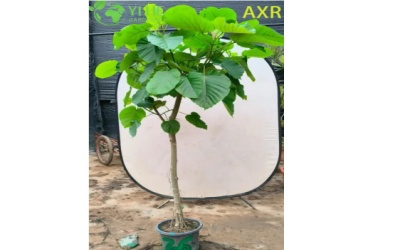
Given its numerous ecological benefits, Ficus umbellata is increasingly being utilized in restoration projects aimed at rebuilding ecosystems and enhancing biodiversity. Let’s look at some of the ways this species is being used to restore landscapes:
In degraded areas where other plant species struggle to establish themselves, Ficus umbellata serves as an excellent pioneer species. Its ability to grow quickly and tolerate a range of environmental conditions makes it ideal for initiating the process of reforestation. By planting Ficus umbellata in deforested or eroded areas, restoration projects can improve soil fertility, stabilize the ground, and create a conducive environment for other plants to thrive.
Once Ficus umbellata has established itself in a degraded area, other tree species can gradually be introduced. The presence of Ficus umbellata helps to create a more hospitable environment for these new species by improving the soil and providing shelter from harsh weather conditions. In this way, Ficus umbellata plays a critical role in the long-term success of reforestation projects.
In tropical regions where deforestation has led to the destruction of habitats for countless species, Ficus umbellata is often used as part of a broader strategy to restore forest ecosystems. In areas where biodiversity loss is most acute, this fig species can serve as a stepping stone to the regeneration of tropical forests. By reintroducing native plant species like Ficus umbellata, restoration projects can begin to rebuild forest ecosystems, restore ecological services, and provide habitats for endangered species.
Through its ability to attract frugivores and provide a habitat for various organisms, Ficus umbellata helps ensure that these restored ecosystems can support diverse wildlife. Over time, these ecosystems become more complex and resilient, fostering greater biodiversity and helping to protect against further degradation.
Ficus umbellata is also being used in agricultural land restoration efforts. In regions where agricultural practices have led to soil degradation, planting Ficus umbellata trees can help improve soil fertility and structure. The tree’s extensive root system helps aerate the soil and increase water retention, while its leaf litter provides organic matter that enriches the soil.
In agroforestry systems, Ficus umbellata can be planted alongside crops to improve yields and reduce soil erosion. Its role in creating a more sustainable and productive agricultural environment makes it an essential species for land restoration and conservation.
While Ficus umbellata is an effective tool for ecosystem restoration, there are some challenges to consider when using it in restoration projects. First, because it is a fast-growing species, it can sometimes become invasive in certain environments if not properly managed. Its rapid growth can outcompete slower-growing species, which may hinder the establishment of a more diverse ecosystem.
Additionally, because Ficus umbellata is a pioneer species, it is best used in conjunction with other native plants. Restoration projects should aim for a diverse plant mix to ensure that the ecosystem is not dominated by a single species, which could affect long-term ecosystem health.
In conclusion, Ficus umbellata plays a crucial role in ecosystem restoration and biodiversity enhancement. Its ability to stabilize soil, provide shelter for wildlife, and contribute to carbon sequestration makes it an invaluable plant in the fight against environmental degradation. Whether used as a pioneer species in reforestation projects, a key player in restoring tropical forests, or as part of agricultural land restoration, Ficus umbellata helps rebuild and enhance ecosystems that are vital for the planet’s health.
If you are interested in learning more about Ficus umbellata or need guidance on how to incorporate it into your own restoration projects, Guangzhou Yihe Horticulture Co., Ltd. is here to assist. With expertise in horticulture and sustainable planting, we offer high-quality plants and valuable resources to help you achieve your ecosystem restoration goals. Feel free to reach out to us for more information or to explore the potential of Ficus umbellata in your next environmental project.


