
Views: 0 Author: Site Editor Publish Time: 2026-08-15 Origin: Site


The global market for indoor greenery continues to expand rapidly. Current estimates place the 2025 baseline valuation between $11.4 billion and $16.1 billion. Industry analysts project steady upward momentum. We expect compound annual growth rates ranging from 3.75% to 4.9% over the next decade. This trajectory could push total market value to $25.2 billion. However, live-goods retail carries inherent operational risks. Retail buyers and category managers face a distinct daily challenge. You must balance consumer demand for trending foliage against harsh store realities. In-store shrink, labor costs for maintenance, and supply chain fragility constantly threaten profit margins. A profitable retail plant program requires strict supplier evaluation. You need a data-driven assortment strategy prioritizing resilient species over fragile trends. Standardized in-store merchandising protocols are equally necessary. Without strict care routines, high-margin inventory degrades into unsellable shrink. Success depends on treating live goods with the same logistical precision as perishable groceries.
Consumer demand for indoor greenery remains robust across all retail sectors. Houseplants have successfully transitioned from a temporary hobby into a permanent fixture of interior design. Shoppers now view live foliage as an essential wellness investment for their homes and offices. This shift drives consistent, year-round foot traffic into retail garden centers, hardware stores, and boutique plant shops. Capturing this demand requires more than just stocking shelves with green foliage. You must build a program designed for financial sustainability and operational efficiency.
Defining success requires strict performance metrics. Gross Margin Return on Investment (GMROI) serves as your primary indicator of profitability. You must track this metric weekly to understand which plant varieties actually generate cash versus which simply occupy shelf space. You must also track shrink percentage aggressively. Establish firm target thresholds for live-goods loss. A well-managed retail department should keep shrink below 10%. Inventory turnover rate dictates how fresh your floor looks. Stagnant inventory loses visual appeal, drops leaves, and requires significantly more maintenance labor from your floor staff.
Category managers face a constant trade-off between shrink and margin. Stocking high-value, rare plants yields higher profit margins per unit. However, these delicate varieties carry a significantly higher risk of loss. They demand precise humidity, filtered water, and exact light levels. Conversely, commodity foliage offers lower margins but remains highly stable on the shelf. A successful retail program balances these extremes. You use stable commodity plants to guarantee baseline revenue. You then leverage rare, trending varieties in smaller quantities to drive excitement and repeat store visits.
Low-maintenance, highly resilient plants must form the foundation of your retail program. These species guarantee baseline revenue and minimize daily maintenance labor. They tolerate the harsh realities of retail environments. Store floors feature fluctuating temperatures from automatic doors, low ambient light, and irregular watering schedules. Delicate ferns will perish under these conditions within days. Resilient staples survive and remain sellable for weeks.
Focus your core inventory on proven survivors. Sansevieria varieties handle extreme neglect without losing visual appeal. You should also heavily stock zamioculcas zamiifolia plants. These perform exceptionally well in dark corners and require minimal watering. Assess these staples based strictly on their shelf-life. They must maintain their quality in a retail setting without specialized greenhouse infrastructure. If a plant requires a humidifier to survive, it does not belong in your baseline assortment.
Pay close attention to pot sizes when building this baseline. Four-inch pots dry out rapidly and require constant monitoring by your staff. Six-inch and ten-inch pots hold moisture longer, reducing your labor overhead. Weight your staple assortment toward these larger, more stable sizes to protect your margins.
While staples pay the bills, trend species drive foot traffic. You must stock recognizable, visually impactful plants. These varieties dominate social media and interior design blogs. Customers actively seek them out. Integrating these plants into your displays creates urgency and encourages impulse purchases.
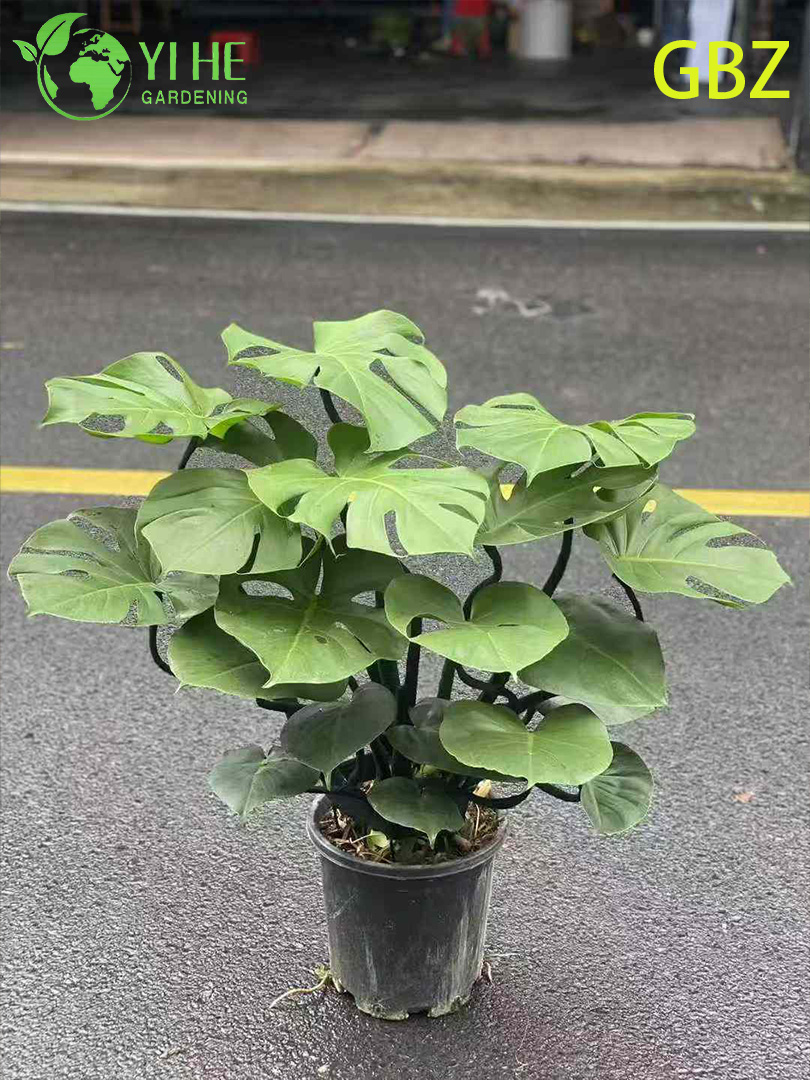
Analyze your local market demand before ordering. Ficus lyrata remains popular for large floor displays. Trailing aroids like pothos and philodendrons sell quickly in hanging baskets. You must also include monstera deliciosa plants in your trend assortment. Their iconic split leaves offer massive visual impact. Address the specific vulnerabilities of these trend plants immediately. They often suffer cold damage during transit. They also require higher light levels than staples. Manage your order volumes carefully. Ensure rapid sell-through before in-store degradation occurs.
Standard inventory often stagnates during slower retail months. You can refresh these displays using seasonal merchandising strategies. Dress up standard green plants to capture holiday retail spend. Add branches of winterberries or miniature ornaments during Q4. Insert pine cones into the topsoil of larger floor plants. These simple additions transform a basic houseplant into a highly giftable seasonal item.
Evaluate the return on investment for value-add repotting. Sourcing bare nursery pots keeps initial costs low. However, consumers willingly pay a premium for ready-to-display indoor ornamental plants. Pre-potted arrangements eliminate the mess and hassle for the end consumer. Test a mixed approach. Offer bare nursery pots for experienced plant owners alongside premium, pre-potted arrangements for gift buyers.
Your supply chain dictates the health of your retail floor. Define strict, non-negotiable vendor standards. Growers must demonstrate rigorous pest-management protocols. Introducing spider mites, fungus gnats, or thrips into a retail space causes catastrophic inventory loss. Pests spread rapidly from new shipments to existing stock. Require vendors to provide current phytosanitary certifications for all interstate shipments.
Implement aggressive inspection protocols at your receiving dock. Retailers must quarantine inbound shipments immediately.
A single compromised pallet can destroy thousands of dollars of existing inventory. Do not compromise on receiving inspections. Train your dock staff to identify these common pests on sight.
Most commercial foliage grows in high-humidity, high-light environments. Nurseries in Florida or tropical regions push rapid growth using optimal conditions. Moving these plants directly to a dim, dry retail store causes severe physiological shock. Plants respond by dropping leaves rapidly. This acclimatization shock turns fresh inventory into immediate shrink.
Partner only with growers who utilize a proper shade-acclimatization process. They must gradually reduce light levels and watering frequency before shipping. This hardens the plant for the retail environment. You must also evaluate root system health upon arrival. Pull a few sample plants from their pots. Avoid root-bound stock. Reject recently up-potted plants that lack root stability. The soil mass should hold together firmly without circling the pot excessively.
Transit risks pose a massive threat to live goods. Temperature fluctuations during shipping destroy foliage integrity. Tropical species suffer irreversible cellular damage if exposed to temperatures below 50 degrees Fahrenheit. Heat stress during summer transit causes rapid dehydration and wilting.
Detail your required packaging standards in vendor agreements. Mandate paper or plastic sleeving to protect delicate leaves from mechanical damage. Require sturdy boxing to prevent crushing during pallet movement. During winter months, enforce strict winterization protocols. Vendors must use thermal liners and heat packs. Protect your investment from the grower to the distribution center, and finally to the store floor.
Treat your retail floor as a series of distinct micro-climates. Instruct your merchandising team to map the floor specifically for live goods. You must strictly follow the light. Group plants based on their specific light and temperature requirements. Never group plants solely based on aesthetics or leaf color. Placing a sun-loving succulent next to a shade-tolerant fern guarantees one will die.
Develop a rigid placement strategy. Keep high-light requirement plants near storefront windows. If natural light remains insufficient, install specialized LED grow lights above these displays. Place low-light tolerant species deeper into the store interior. Keep all live goods away from HVAC vents, drafty entry doors, and direct heat sources. Drafts cause rapid soil drying and foliage damage.
| Store Zone | Light Level | Ideal Plant Varieties | Merchandising Strategy |
|---|---|---|---|
| Storefront Windows | High / Direct | Succulents, Cacti, Ficus Lyrata | Use as visual anchors to draw foot traffic from the street. |
| Main Aisles | Medium / Indirect | Monstera, Philodendron, Pothos | Display on tiered benches to maximize visibility and accessibility. |
| Interior Corners | Low / Artificial | ZZ Plants, Sansevieria, Aglaonema | Utilize floor risers to elevate plants and fill dead retail space. |
| Checkout Counters | Variable | Small succulents, Air plants | Position as low-cost impulse buys near the register. |
Consistent maintenance prevents shrink. Establish baseline watering rules for all retail staff. Base these rules on horticultural best practices rather than guesswork. Water all foliage plants twice a week. Water blooming plants three times a week. Adjust these frequencies only for extreme changes in ambient store humidity. Require staff to physically check soil moisture before applying water to prevent root rot.
Detail daily handling and grooming routines. Staff must walk the floor every morning. They should remove yellowing leaves immediately. Dead foliage invites fungal issues and deters buyers. Dust large leaves weekly to maintain visual appeal and allow for proper photosynthesis. Rotate pots a quarter-turn every few days. This ensures even light exposure and prevents plants from leaning toward windows.
Mandate strict inventory organization. All plants on the floor must remain grouped by size and variety. Mixing four-inch pots randomly among ten-inch pots leads to disaster. Smaller pots dry out faster and easily get overlooked during watering routines. Streamline your maintenance by keeping similar hydration needs together. Ensure staff use room-temperature water to avoid shocking the root systems of tropical varieties.
Apply proven interior design rules to your retail displays. Grouping plants by size and variety creates massive visual impact. Utilize varying display heights to build visual depth. Place trailing plants on top shelves and large floor specimens on low risers. Pair plants with complementary neutral vessels. A simple white or terracotta ceramic pot elevates the perceived value of standard green foliage.
Strategize your basket building. Do not isolate your live goods from your hardgoods. Place soils, fertilizers, and moisture meters immediately adjacent to the plant displays. Stack decorative pots directly beneath the foliage benches. When a customer selects a plant, the necessary care items and decorative upgrades should sit within arm's reach. This cross-merchandising drives add-on sales and significantly increases your average transaction value.
Understanding your true margins requires comprehensive financial analysis. You cannot base profitability solely on the wholesale invoice. Calculate your true landed cost for every shipment. This formula must include the base wholesale price, freight charges, and any packaging surcharges. You must also factor in expected transit loss. If you historically lose 2% of inventory during shipping, add that cost to the surviving units.
Labor overhead represents a massive hidden cost in live-goods retail. Factor in the specific man-hours required to keep the department alive. Watering, grooming, and floor maintenance consume significant payroll. If your assortment requires daily specialized care, your labor costs will quickly erode your gross margin. This reinforces the need for resilient, low-maintenance staples.
Develop a pragmatic mark-up strategy. Price your live goods to absorb a standard 10-15% shrink rate. You will lose plants. Leaves will tear, stems will break, and some inventory will simply age out. Your pricing must cover these inevitable losses while maintaining overall category profitability. Build a financial buffer into every SKU.
| Financial Component | Operational Definition | Impact on Retail Strategy |
|---|---|---|
| Landed Cost | Wholesale rate plus freight, thermal packaging, and historical transit loss. | Establishes the absolute baseline for calculating retail markup and GMROI. |
| Labor Overhead | Payroll hours dedicated to watering, grooming, and pest inspection. | Dictates the necessity of stocking low-maintenance, resilient plant varieties. |
| Shrink Allowance | Budgeted percentage of inventory lost to damage, pests, or aging. | Forces higher initial markups on delicate, trend-driven species to offset risk. |
| Average Transaction Value | Total register ring combining live plants with hardgoods and accessories. | Drives the need for aggressive cross-merchandising with decorative vessels. |
Maximizing profitability in live-goods retail requires strict operational discipline and a data-driven approach to inventory management. Implement the following steps to optimize your plant program:
A: Industry benchmarks for live-goods shrink typically range between 10% and 15%. Highly optimized programs can push this below 8%. You must budget for this loss when establishing your retail markups. Expect higher shrink rates on delicate ferns and calatheas, and lower rates on thick-leaved succulents and aroids.
A: Growers must implement a step-down process before shipping. They move plants from high-light, high-humidity greenhouses into heavily shaded structures. They also reduce watering frequency and fertilizer application. This hardens the foliage, slows rapid growth, and prevents catastrophic leaf drop when the plant enters a dim, dry retail store.
A: These plants offer massive visual impact due to their iconic, fenestrated leaves. They grow rapidly, providing consumers with a sense of immediate success. Their bold aesthetic dominates interior design trends and social media, ensuring consistent consumer demand and rapid retail sell-through.
A: Zamioculcas zamiifolia plants, Sansevieria, and Aglaonema perform best in low light. They tolerate neglect, irregular watering, and the dry air typical of commercial HVAC systems. These species form the durable, low-shrink foundation of any profitable retail plant program.
A: Staff should water foliage plants twice a week and blooming plants three times a week. However, staff must check soil moisture manually before watering. Grouping plants strictly by size and variety streamlines this process and prevents smaller pots from drying out unnoticed.
A: Cross-merchandising drives the highest profitability. Group plants by size and light requirements, utilizing varying heights for visual depth. Place complementary neutral decorative vessels, premium soils, and moisture meters immediately adjacent to the live goods. This strategy significantly increases the average transaction value per customer.
A: Tropical plants suffer severe chill damage if exposed to temperatures below 50 degrees Fahrenheit. This causes cellular collapse, resulting in blackened foliage, rapid leaf drop, and plant death. You must mandate thermal packaging, heat packs, and temperature-controlled freight during winter shipments.


