
- All
- Product Name
- Product Keyword
- Product Model
- Product Summary
- Product Description
- Multi Field Search
Views: 0 Author: Site Editor Publish Time: 2026-08-24 Origin: Site


Procurement decisions for landscaping and interior design often prioritize aesthetics, but the hidden cost of inadequate drainage rapidly destroys project ROI. This damage manifests as root rot, frequent plant replacement, and structural water damage across paved surfaces. Sourcing containers at scale requires balancing visual requirements with biological necessities. Many commercial containers lack sufficient out-of-the-box drainage. This forces buyers to choose between labor-intensive modifications or risking catastrophic plant failure on site. To mitigate these risks, buyers must evaluate specific structural features, material properties, and drainage configurations before finalizing purchase orders. You cannot rely on visual appeal alone when specifying vessels for high-traffic public spaces or corporate lobbies. This guide breaks down the technical criteria for assessing container drainage efficacy. We will cover exactly what specifications to demand from manufacturers to ensure long-term plant survival.
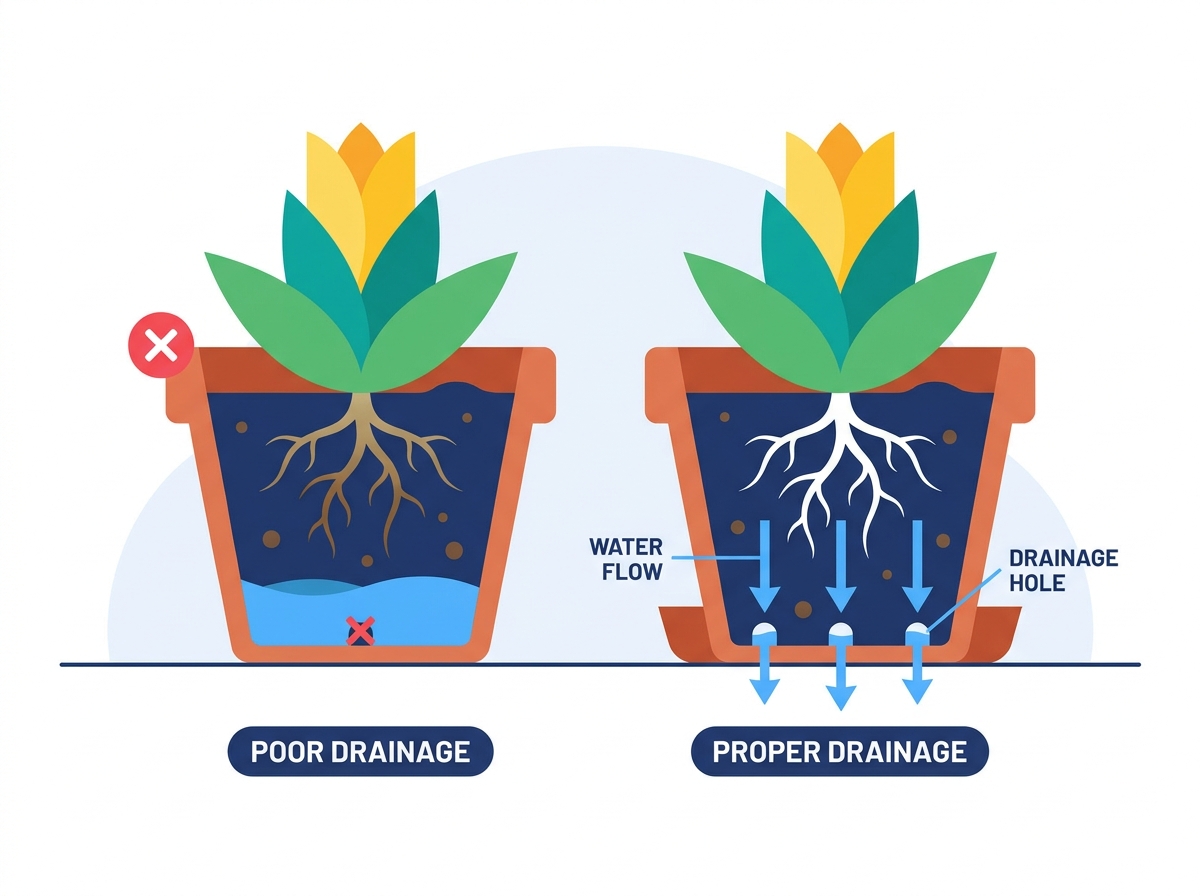
Water movement in containerized soil relies on two competing forces. Gravity pulls water downward toward the base of the container. Capillary action pulls water upward, clinging to soil particles. These forces eventually reach an equilibrium point inside the pot. This equilibrium creates a perched water table. It is a layer of fully saturated soil located at the very bottom of the container. Water pools at this lowest point before it can exit the drainage holes. Gravity must overcome capillary action for drainage to occur.
Container height directly influences the saturation zone. A taller container exerts more gravitational pull on the water column. This results in a proportionally smaller perched water table. Short, shallow containers retain a much higher percentage of saturated soil. Landscape contractors often see this when pulling dead plants from shallow bowls. The top two inches feel bone dry, while the bottom three inches smell like swamp mud. You must account for this physics when selecting vessels for shallow-rooted plants.
The shape of the vessel alters the volume of the saturation zone. Shallow trough planters hold a massive volume of water in their lower layers. They require aggressive drainage configurations to prevent root suffocation. You must distribute holes evenly across the entire base.
Tall cylinders behave differently. They drain more effectively because gravity easily overcomes the capillary pull. The perched water table remains confined to a small volume at the very bottom. You can often manage tall containers with fewer, centrally located drainage holes.
Geometry also dictates the required distribution of drainage holes. Wide bases need perimeter holes to catch water pooling near the edges. Tapered bases naturally funnel water toward the center. You must match the hole layout to the interior slope of the container. Consider these geometric profiles when planning drainage:
Roots require oxygen to survive and function. They absorb oxygen directly from the air spaces between soil particles. Saturated soil displaces this air, leading to rapid root suffocation. Anaerobic bacteria then multiply, causing irreversible root rot.
A successful drainage system balances water retention with aeration. It must allow excess water to exit the container immediately. As water drains out the bottom, it acts like a vacuum. This vacuum draws fresh oxygen down through the top of the soil profile.
You must establish a baseline success metric for your procurement. The container must drain fast enough to pull air into the root zone within minutes of watering. Any standing water inside the pot indicates a systemic drainage failure. Field crews should never see water pooling on the soil surface for more than sixty seconds after a heavy irrigation cycle.
Physical drainage features alone cannot guarantee plant health. They only function effectively when paired with the right substrate. You must use appropriately graded, high-porosity commercial potting mixes. Dense, fine-particulate soils will clog even the best drainage systems.
High-porosity mixes contain large particles like pine bark, perlite, or pumice. These materials create macro-pores that facilitate rapid water movement. They prevent the soil from compacting and sealing over the drainage holes. wholesale flowerpots require these specialized mixes to maximize their built-in drainage capabilities.
Substrate choice directly impacts the height of the perched water table. Coarse mixes lower the water table significantly. Fine mixes raise it, regardless of how many holes the container has. You must align your container specifications with your intended soil grading. A standard nursery mix of three parts composted bark to one part peat moss provides an excellent baseline for most commercial installations.
You must evaluate the standard ratio of drainage hole diameter to total pot volume. A general rule is one square inch of drainage per square foot of base area. Small, pin-sized holes easily clog with organic matter and mineral buildup. Demand holes with a minimum diameter of half an inch for medium containers. Large municipal planters require holes exceeding one inch in diameter.
Assess the placement of the holes carefully. Center holes work well for containers with sloped interior bases. Perimeter holes are necessary for flat-bottomed containers to prevent edge pooling. You should reject flat-bottomed pots with only a single center hole.
Side-drainage holes are necessary for certain outdoor environments. These holes sit slightly above the actual base of the container. They create a small internal reservoir while preventing total saturation. They also ensure drainage continues even if the pot sinks into soft mud. Landscape architects frequently specify side-drainage for planters placed directly on soil or mulch beds.
Open drainage holes present a secondary problem. They allow potting medium to wash out during heavy watering. This creates hollow voids in the root zone and stains the surrounding pavement. You must establish a strategy to contain the soil.
Specify permeable mesh screens over all drainage holes. Fiberglass window screening is an excellent, durable option. Permeable landscape fabric also works well for large installations. These materials prevent soil loss without disrupting the downward flow of water.
Never use solid materials to block the holes. Avoid coffee filters or paper towels, as they degrade rapidly and turn into impermeable sludge. The goal is to filter the water, not restrict its exit velocity. Installation crews should cut mesh squares two inches larger than the hole and secure them with a small dab of waterproof silicone before adding soil.
Physical separation between the pot's base and the ground is mandatory. Flush-sitting pots trap water underneath them. This creates a surface tension seal that halts internal drainage entirely. The pot essentially acts as a suction cup against flat concrete.
Evaluate containers for integrated risers or hidden feet. These features lift the base just enough to break the surface tension. They allow water to flow away freely and permit air to circulate underneath. This airflow dries the bottom of the pot, preventing mold growth and protecting the pavement from permanent moisture stains.
Channeled bases offer another effective solution. These designs feature grooves cast directly into the bottom of the container. The pot sits flush on the outside edge, but the internal channels direct water outward. This provides stability while maintaining excellent drainage pathways. Forklift channels on massive municipal planters serve this exact dual purpose.
Material choice dictates the required aggressiveness of the physical drainage holes. You must compare the moisture-wicking properties of different substrates. Unglazed clay and terracotta are highly porous. They actively pull moisture out of the soil and evaporate it through their walls.
Non-porous materials behave entirely differently. Plastic, fiberglass, and glazed ceramics trap all moisture inside the vessel. Water can only escape through evaporation at the top surface or via the bottom drainage holes. These materials demand larger, more frequent drainage holes. In cold climates, trapped water in non-porous containers freezes and expands, shattering the vessel. Proper drainage prevents this winter damage.
The table below outlines how material porosity affects drainage requirements:
| Material Type | Porosity Level | Moisture Retention | Drainage Hole Requirement |
|---|---|---|---|
| Unglazed Terracotta | High | Low (Dries quickly) | Standard (1-2 holes sufficient) |
| Concrete / Cast Stone | Medium | Moderate | Standard to High |
| Glazed Ceramic | Zero | High (Traps moisture) | High (Multiple holes needed) |
| Resin / Fiberglass | Zero | Very High | Maximum (Aggressive hole configuration) |
| Metal (Steel/Aluminum) | Zero | Very High | Maximum (Requires rust-proof mesh) |
Modifying pots post-purchase introduces significant labor costs and structural risks. You must assess whether to buy pre-drilled containers or drill them on-site. Pre-drilled options streamline installation but limit your ability to customize hole placement. Drillable materials offer flexibility but require specialized tools and trained labor.
Evaluate materials for their structural integrity when drilled. High-density resin, PolyRock, and fiberglass are highly resilient. You can drill them easily with standard bits without compromising their strength. They rarely crack or splinter during modification. Use a standard step bit for clean holes in plastic and resin.
Contrast this with the shatter risk of concrete or ceramic. Drilling these materials requires diamond-tipped masonry bits and continuous water cooling. A single mistake can destroy an expensive container. Always request pre-drilled options when sourcing fragile materials for large projects. If field drilling is unavoidable, instruct crews to apply masking tape over the drill site to prevent surface chipping.
Self-watering systems and sub-irrigation planters (SIPs) offer advanced moisture management. These systems feature a water reservoir below the soil line. Capillary action wicks moisture upward as the plants need it. They drastically reduce watering frequency for large installations.
You must define strict criteria for evaluating these systems. commercial garden planters used outdoors face variable weather conditions. A heavy rainstorm can quickly flood the internal reservoir. This forces water up into the root zone, drowning the plants.
Outdoor SIPs must feature dedicated overflow valves or removable drainage plugs. The overflow valve sits just below the soil line. It automatically ejects excess water before it reaches the roots. You must verify the diameter of this valve to ensure it handles heavy downpours. Inspect the overflow channels for debris screens to prevent soil from clogging the exit port.
Adding drainage holes impacts the load-bearing capacity of large-scale planters. Every hole removes structural material from the base. You must analyze how this affects the container when filled with saturated soil. Wet commercial potting soil weighs approximately 70 pounds per cubic foot. A six-foot trough holds hundreds of pounds of wet mass.
Large fiberglass or plastic troughs can bow or warp if drilled incorrectly. You should avoid drilling holes too close to the load-bearing edges. Keep modifications clustered near the center or along reinforced structural ribs. Always consult the manufacturer's guidelines before modifying large vessels. Removing too much material from the base also alters the center of gravity, making tall planters susceptible to wind load tipping.
Concrete planters face different structural challenges. Drilling exposes the internal rebar or aggregate to moisture. This can lead to rust expansion and eventual cracking. You must seal the exposed edges of any newly drilled holes in concrete containers. Apply a marine-grade epoxy to the raw concrete inside the hole to block moisture penetration.
You must evaluate the operational workflow of using decorative outer shells. A cachepot system uses a waterproof outer container to house a functional nursery pot. The inner pot contains the soil and drainage holes. The outer pot provides the aesthetic finish and catches runoff.
This double-potting method protects indoor flooring from water damage. It allows you to swap out plants quickly without repotting. You simply lift the nursery pot out of the decorative shell. decorative plant pots excel in these specific indoor applications.
However, you must manage the maintenance trade-offs. Water accumulates in the bottom of the cachepot after every watering. If left standing, it will submerge the bottom of the nursery pot and rot the roots. Maintenance staff must manually empty the cachepots to prevent standing water. Alternatively, place rigid foam blocks inside the cachepot to elevate the nursery pot above the maximum expected water line.
Frame your procurement decisions around long-term plant survival rates. Purchasing cheaper pots with poor drainage guarantees premature plant failure. The initial savings evaporate when you factor in the labor and material costs of replacing drowned plants. Dead plants also damage the visual reputation of the installation.
Calculate the ROI of purchasing slightly more expensive pots with engineered drainage. These containers protect the root systems during extreme weather events. They reduce the frequency of fungal diseases and root rot. Healthy plants require less chemical intervention and fewer replacement cycles.
You must audit the specific drainage requirements of your intended plant species. Drought-tolerant succulents require aggressive drainage and highly porous materials. Moisture-loving tropicals can tolerate standard drainage configurations. Match the container investment to the biological value of the plants. A specimen olive tree warrants a premium container with flawless drainage engineering.
You must debunk the outdated practice of using gravel to improve drainage. Many people place broken clay pots or rocks at the bottom of a container. They believe this creates a drainage layer that prevents clogging. This practice actively harms the plant.
Science proves that gravel does not improve drainage. It actually elevates the perched water table closer to the roots. Water will not move from a fine-textured soil into a coarse gravel layer until the soil is 100% saturated. The soil acts like a sponge, holding the water above the rocks.
This practice also restricts valuable root space. You are replacing usable soil volume with sterile rocks. The roots have less room to grow and remain trapped in the elevated saturation zone. Use a uniform potting mix from top to bottom and rely on physical holes for drainage.
You must address the liability of water runoff in commercial real estate. Outdoor runoff causes severe staining on decorative pavements. It creates slip hazards on pedestrian walkways. Indoor runoff destroys hardwood floors, carpets, and drywall.
Evaluate the integration of fitted saucers and drip trays. Saucers catch immediate runoff but must be sized correctly. A saucer that is too small will overflow instantly. A saucer that is too deep will hold standing water, wicking it back up into the pot.
For large indoor installations, consider plumbed drainage lines. Flowerpots can be custom-fitted with threaded bulkheads. These connect directly to flexible tubing routed to a floor drain. This eliminates manual emptying and completely mitigates water damage risks. Plumbed systems require coordination with plumbing contractors during the initial build-out phase.
A: Yes, for direct planting. Without drainage holes, water accumulates at the bottom, leading to anaerobic conditions and root rot. The only exception is when using the pot as a decorative cachepot for a pre-potted plant.
A: Ensure the planter has adequately sized holes, elevate the planter using pot feet to break surface tension, and use a high-porosity potting mix. Avoid adding gravel to the bottom.
A: Use a piece of fiberglass window screen, permeable landscape fabric, or specialized drainage mesh over the hole. Avoid using broken clay pots or rocks, as these raise the perched water table and reduce root space.
A: It depends on the material. Resin, fiberglass, and plastics are easily drillable with standard bits. Ceramics, terracotta, and concrete require specialized masonry or diamond-tipped drill bits and careful technique to prevent shattering.
A: It is the layer of fully saturated soil at the very bottom of a container that resists draining due to capillary action. Its height is determined by the potting mix texture, not the depth of the pot.
A: They serve different purposes. Self-watering pots are excellent for moisture-loving plants and reducing maintenance frequency, but they must feature an overflow mechanism to prevent the reservoir from flooding the root zone during heavy rain or overfilling.
A: Side-drainage holes (located an inch or two above the base) create a small internal water reservoir while preventing total saturation. They also ensure drainage is not blocked if the planter sinks into soft ground or sits flush on a flat surface.


