
Views: 0 Author: Site Editor Publish Time: 2026-06-03 Origin: Site


Procuring live plant seedlings for international markets carries compounding risks. A single misstep in quality control, phytosanitary compliance, or logistics can result in total inventory loss. Customs confiscation or transit mortality can obliterate your profit margins overnight. You cannot afford to treat living biological assets like standard manufactured goods.
Securing profitable, scalable import pipelines requires shifting focus from unit price to landed viability. You must evaluate how well your inventory survives the journey. This guide outlines the technical criteria for evaluating wholesale nurseries effectively. It teaches you how to assess seedling resilience before they enter a shipping container. We will also help you navigate complex export compliance to ensure predictable returns. By mastering these procurement strategies, you build a robust supply chain capable of withstanding the rigors of global agricultural trade.
Physical Viability: Prioritize root density and structural integrity over sheer height to minimize transplant shock and transit stress.
Regulatory Compliance: Valid phytosanitary certificates and adherence to destination-specific media restrictions (e.g., bare-root vs. approved peat) are non-negotiable for border clearance.
Logistics Calculation: The choice between air and sea freight must be dictated by the specific shelf-life of the plant seedlings and the insulation quality of the exporter's packaging.
Vendor Verification: Always demand trial shipments and verify the exporter's internal tracking capabilities before committing to bulk contracts.
Success in international plant trade begins long before the shipping container arrives. You must evaluate the physical health of the plants at the origin nursery. Visual inspections often deceive untrained buyers. You need to look past the superficial canopy and examine the structural foundation of the crop.
Inspect incoming batches for bright, fibrous root development. Healthy roots should firmly hold the growing medium together. However, they must not become pot-bound. Circling roots indicate the plant stayed in its container too long. Brown, mushy, or stringy root systems reveal a high vulnerability to rot during transit. Transporting plants in dark, humid environments quickly accelerates existing fungal issues. Always pull a random sample from the pots to inspect root vigor before finalizing an order.
Look for consistent coloration and firm, rigid stems. Discoloration, mottling, or abnormally leggy growth indicates severe nutrient deficiencies. These signs often point to inadequate greenhouse lighting. Weak stems suffer high mortality rates when locked inside dark shipping containers for weeks. Sturdy stems act as energy reserves. They help the plant survive periods of forced dormancy during international transit.
Avoid selecting the tallest available plants. Many buyers mistakenly equate height with value. In reality, compact and moderately sized inventory acclimates faster to new environments. Shorter, denser plants suffer far less physical damage during packing procedures. They also represent a much more efficient use of expensive freight volume. You pay for dimensional weight during air freight, so compact growth directly protects your profit margins.
Conduct rigorous microscopic checks on all trial orders. Even minor, seemingly harmless hitchhikers will trigger automated rejections at international borders. Pay close attention to these specific hiding spots:
The undersides of all broad leaves.
Deep inside the root nodes and stem junctions.
The very top layer of the growing medium.
Agricultural inspectors use magnification to find spider mites, thrips, and nematode damage. You must apply the same level of scrutiny before authorizing the export shipment.
Different genetic profiles react uniquely to transit stress. You cannot apply a universal packing standard to every variety. Categorizing your inventory by resilience allows you to match the right packaging protocol to the right species.
High-demand tropicals require strict humidity regulation. Leaves will crisp and perish if exposed to dry cargo holds. Conversely, excessive moisture breeds lethal fungal blooms. Assess the vendor's ability to provide micro-climate packaging. They should use specialized sphagnum moss wraps around the roots. This maintains hydration without suffocating the root zone. When importing sensitive varieties like alocasia seedlings or rare anthurium seedlings, demand precise moisture controls. Trial shipments are essential to test the vendor's wrapping techniques.
Woody varieties demonstrate much higher resistance to extreme temperature fluctuations. They tolerate delays in customs better than herbaceous tropicals. However, their rigid structure introduces a different risk. Large leaves and stiff trunks become brittle during transport. Varieties like ficus lyrata seedlings require highly secure physical bracing inside the carton. Without proper corrugated inserts, shifting boxes will easily snap the main stems during pallet loading.
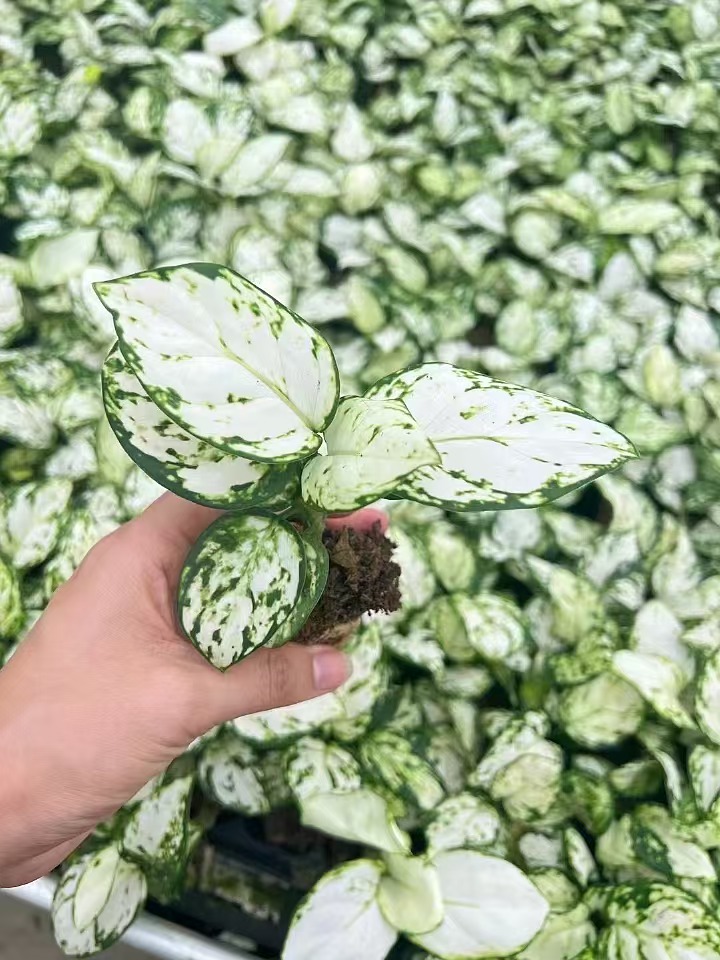
Durable ornamentals serve as excellent volume drivers for your business. Their genetic tolerance for prolonged darkness drastically reduces transit mortality rates. They also withstand lower moisture levels over extended periods. Sourcing aglaonema seedlings wholesale often provides a lower-risk entry point for bulk sea freight. By leaning on resilient species for ocean transport, you keep freight costs manageable while ensuring high landed survival rates.
Border control agencies treat live agricultural imports as high-risk cargo. They exist to prevent invasive pests and diseases from destroying domestic agriculture. You must operate with zero margin for error regarding documentation.
Every single export order must be accompanied by an official, government-issued Phytosanitary Certificate. This document proves the origin country inspected the goods and found them free of regulated pests. Assume any vendor offering to ship without one is exposing your business to total seizure. Operating without proper certification will quickly place your company on regulatory blacklists.
Buyers must secure their own import documentation well in advance. For example, US operations require USDA Plant Import Certificates. You must align your purchasing timelines with the necessary lead times required for these permits. Processing times easily stretch from 30 to 90 days. Never initiate a deposit transfer until you hold a valid import permit for the specific species you intend to buy.
Most border control agencies globally prohibit natural soil imports. Soil acts as a primary vector for microscopic nematodes and soil-borne pathogens. Verify the exporter utilizes compliant inert media exclusively. Acceptable alternatives usually include sterile coco coir or treated peat moss. If the destination country strictly bans all media, the nursery must possess the operational capacity for safe bare-root preparation. Bare-rooting involves washing away all organic matter and treating the naked roots with approved fungicides before packing.
Customs brokers look for perfect alignment across all shipping paperwork. Discrepancies trigger immediate holds and intensive physical audits. You must cross-reference all documents thoroughly before the shipment leaves the origin port. Follow this verification sequence:
Compare the species names on the Phytosanitary Certificate against the Commercial Invoice.
Ensure the total plant quantities on the Packing List match the Bill of Lading exactly.
Confirm all botanical names use correct Latin terminology rather than common regional names.
Logistics dictate the ultimate survival of your inventory. Selecting the right freight method requires balancing transit time against shipping costs and biological durability.
Air freight, taking 5 to 10 days, is mandatory for delicate or high-value genetics. You must pay the premium cost to ensure these fragile items survive. Sea freight, spanning 20 to 40+ days, is financially viable only for durable, dormant, or highly resilient bulk inventory.
Freight Methodology Comparison Chart |
||
Factor |
Air Freight |
Sea Freight (Reefer Containers) |
|---|---|---|
Transit Time |
5 - 10 Days |
20 - 45+ Days |
Ideal Cargo |
Rare aroids, fragile herbaceous stems, high-value genetics. |
Hardy ornamentals, dormant trees, bare-root woody shrubs. |
Cost Profile |
High premium based on dimensional weight and fuel surcharges. |
Highly economical for bulk volume, priced per container/CBM. |
Mortality Risk |
Low (Under 3-5% if packed correctly). |
Moderate to High (Depends heavily on temperature stability). |
Evaluate the vendor's internal boxing protocols meticulously. Sticking plants in a cardboard box guarantees failure. Required features include insulated linings for temperature stability across different climate zones. Vendors should use moisture-retaining root wraps to prevent desiccation. They must also install secure tray inserts or bamboo stakes to prevent physical crushing when handlers stack the boxes upside down.
For large orders, ensure the nursery standardizes box dimensions. Uniform boxes allow for efficient, tight palletization. Proper stacking reduces dimensional weight charges from airlines. It also minimizes handling touchpoints. Forklifts move whole pallets smoothly. If boxes remain loose, ground crews will throw them individually, severely increasing the risk of structural plant damage.
Your supply chain is only as reliable as your origin nursery. Vetting suppliers requires asking pointed operational questions. Do not rely solely on beautiful catalog photos.
Ask the supplier whether they utilize field, container, or pot-in-pot (PIP) systems. Their chosen infrastructure heavily impacts export readiness. Container and PIP systems typically yield cleaner root balls suitable for export compliance. Field-grown plants require extensive root washing, which induces severe transplant shock.
Nursery Production Systems Impact on Export |
||
Production System |
Description |
Export Suitability |
|---|---|---|
Field Grown |
Planted directly in natural earth. |
Low. High risk of nematodes; requires harsh bare-rooting. |
Container Grown |
Raised in pots above ground on weed mats. |
High. Uses sterile media; easy to pull and inspect roots. |
Pot-in-Pot (PIP) |
Growing pot nested inside a permanent sunken pot. |
Excellent. Protects roots from extreme heat; limits pests. |
Reliable partners utilize robust inventory management software. They digitally separate active plants, clones, and ready-to-harvest stock. This level of organization ensures the exact batches you ordered are the ones they actually ship. Nurseries lacking digital tracking often substitute species at the last minute to fill boxes. Unapproved substitutions cause instant compliance failures during customs inspections.
Never execute an annual volume contract without processing a sample order first. Use a small, mixed-species shipment to test the vendor's actual capabilities. This trial acts as a stress test for their communication speed. It reveals their packing integrity under real freight conditions. Most importantly, it verifies their document accuracy. If they misspell a botanical name on a $500 trial, they will make the same mistake on a $50,000 container.
When you find a promising vendor, request a detailed quote immediately. Ask for a clear breakdown comparing FOB (Free on Board) versus CIF (Cost, Insurance, and Freight) pricing. Alongside the quote, request a blank copy of their standard phytosanitary documentation. Pass this document to your customs broker for a preliminary legal review. Confirming their paperwork standards early prevents costly seizures later.
Sourcing wholesale live inventory for export remains an exercise in strict risk mitigation, rather than just simple procurement. Protecting your margins requires rigorous operational discipline.
Enforce strict physical health checks, prioritizing root architecture and compact growth over sheer plant size.
Demand total regulatory transparency by refusing to work with vendors who bypass phytosanitary protocols.
Match your freight logistics perfectly to the biological requirements of the specific species you import.
Always deploy trial shipments to verify packaging integrity and document accuracy before scaling up.
By implementing these standards, businesses can stabilize their international supply chains. You will successfully protect your shipments from preventable losses and build a highly profitable botanical import program.
A: While highly dependent on transit time and species, a professional export operation should yield a mortality rate of under 3-5% for air freight. For optimized sea freight, an acceptable mortality rate usually hovers around 10-15%.
A: This is negotiated in the Incoterms. However, standard practice requires the exporting nursery to secure and pay for the origin certificate. They usually embed the cost into the wholesale price or charge a flat documentation fee.
A: No. International agricultural regulations almost universally prohibit natural soil to prevent the spread of soil-borne nematodes and pathogens. Seedlings must be shipped in approved sterile media, such as coco coir, or shipped completely bare-root.
A: Lead times generally vary from 14 to 45 days. This window accounts for necessary pre-shipment quarantine periods, mandatory pesticide flushing, and government inspection scheduling prior to the issuance of official export documents.


