
- All
- Product Name
- Product Keyword
- Product Model
- Product Summary
- Product Description
- Multi Field Search
Views: 0 Author: Site Editor Publish Time: 2026-05-31 Origin: Site


Procuring plants for large-scale commercial landscaping demands strategic foresight. You must constantly balance strict project budgets against long-term survival rates. Finding dependable nursery stock is rarely a simple task. Logistics delays can instantly derail your construction timelines. Poor root stock can exponentially impact your bottom line. Replacing failed trees devours labor hours and ruins client trust. This guide gives landscape architects and commercial buyers a clear framework. You will learn how to evaluate suppliers effectively. We focus entirely on site adaptability, proven production methods, and physical inspection standards. We avoid empty aesthetic promises. You will learn how to match ficus species to your exact project requirements. We also provide actionable strategies. These help you implement strict quality control upon delivery. Mastering these procurement steps ensures your landscape installations thrive from day one. You can protect your investment and build resilient landscapes.
Always match the ficus form (hedge, standard, multi-trunk) to the specific functional need (privacy, shade, focal point) using the Function, Aesthetics, Site, and Management (F.A.S.M.) evaluation model.
Production methods (field-grown vs. container-grown) directly dictate irrigation requirements and planting timelines.
A reliable supplier must offer transparent logistics and clear return policies to mitigate the risks of transit shock or root defects.
Physical inspection upon delivery—specifically checking the root flare, trunk structure, and foliage health—is non-negotiable for commercial installations.
Landscape design goes far beyond merely picking attractive plants. You must align your selections with core project requirements. The F.A.S.M. framework provides a reliable, repeatable evaluation model. It helps you make intelligent procurement decisions every time.
Function (Architectural vs. Engineering): Determine the exact job the plant will perform. Is it acting as a solid "wall" for dense privacy screens? Do you need noise reduction near a busy roadway? Does it serve as a "ceiling" to create a vast shade canopy? Perhaps you need a sculptural focal point to anchor an open courtyard. Pinpoint the primary function first. You can then narrow down your species choices.
Aesthetics (Form and Scale): Factor in mature dimensions. You must evaluate these final proportions against nearby structures. Overplanting to fill empty spaces quickly is a common mistake. Planners often want instant gratification. This practice often leads to long-term structural failures. Roots will aggressively compete. Canopies will crowd and shade each other out. Always design for the mature scale.
Site Adaptability ("Don't Fight the Site"): Evaluate your local soil pH, drainage quality, and wind exposure. Mature ficus trees generally show excellent drought tolerance. However, they require specific hardiness zones. They thrive best in subtropical or tropical climates like South Florida. Do not fight poor drainage. Amend the site thoroughly or choose a different planting location.
Management (Maintenance Expectations): Consider the ongoing maintenance requirements. Factor in the required pruning frequency. Account for seasonal leaf drop cleanup schedules. Plan out the specific irrigation needs during the critical establishment phase. These upfront management choices dictate the future success of the installation.
Different commercial projects demand distinct plant forms. You must select the precise shape and growth habit. This ensures you achieve your exact design goals efficiently.
These plants remain densely foliated from the base up. They are ideal for creating rapid privacy screens. Planners frequently use them for clear property line demarcation. They effectively block unwanted street noise. They also hide unsightly industrial views. You must space them correctly to ensure a seamless wall of green. Regular shearing keeps their shape highly formal and neat.
These offer clean, upright growth habits. They work beautifully for streetscapes and pedestrian pathways. You need uniform canopy heights for professional avenue planting. Partnering with a reliable ficus microcarpa supplier ensures you get consistent trunk caliper. It also guarantees your trees will match visually along long driveways. Consistent sizing prevents a jagged, unprofessional skyline in your design.
These trees act as striking sculptural elements. They suit dramatic up-lighting schemes exceptionally well. Designers use them as stunning landscape focal points. Sourcing ficus bonsai wholesale proves ideal for high-end corporate zen gardens. They elevate enclosed architectural courtyards beautifully. Their twisted trunks provide instant age and character to sterile modern spaces.
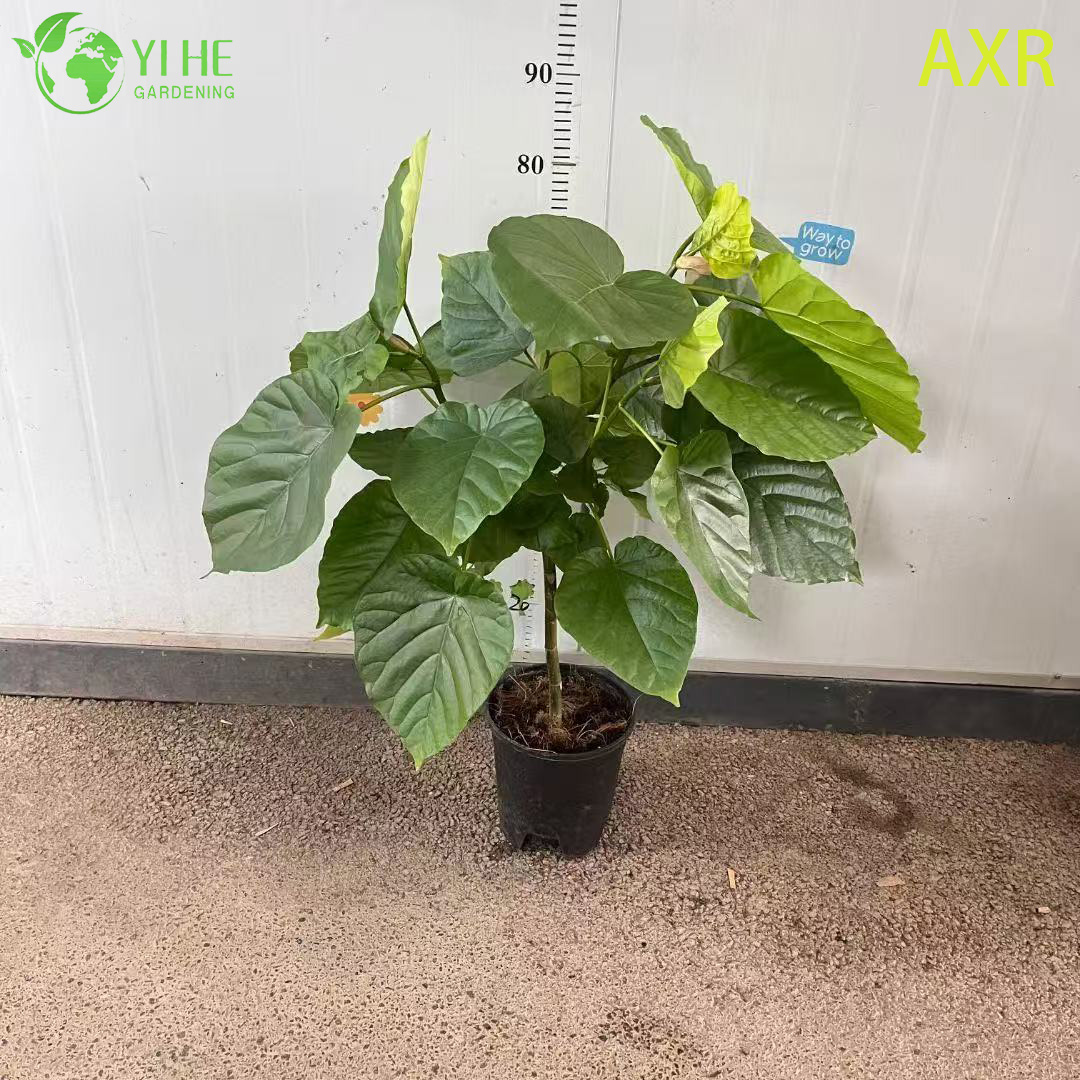
Indoor commercial projects require highly adaptable specimens. Climate-controlled environments benefit immensely from large-scale foliage. Sourcing ficus lyrata plants provides maximum architectural impact indoors. Ensure your space provides adequate indirect light. You must also guarantee proper container drainage. Poor drainage indoors leads rapidly to fatal root rot.
You cannot evaluate a nursery solely on unit price. Production methods heavily influence long-term transplant success. You must carefully assess how they grow their stock. Strong roots matter more than green leaves.
Understanding cultivation helps predict early planting behavior. It tells you how the plant will react upon arrival.
Field-Grown: These feature incredibly dense root systems. They become highly drought-resistant over time. However, they require proper "hardening off" before delivery. The nursery must sever the roots gradually. Skipping this step drastically increases early mortality rates.
Container-Grown: These offer much faster drainage. They keep the entire root system intact during transport. You must watch out for circling roots. This occurs if growers hold them too long in inventory. They require more frequent watering initially after transplanting.
Production Method | Root Density | Drought Resistance | Primary Risk Factor |
|---|---|---|---|
Field-Grown | Exceptionally High | Excellent | Requires strict "hardening off" prep |
Container-Grown | Moderate to High | Moderate | Prone to circling or root-bound defects |
Assess the complete inventory depth of your chosen partner. A premier nursery should supply everything you need. This ranges from raw ficus seedlings for mass groundcover to massive field-grown specimens. Diverse inventory indicates a robust, financially stable operation. It means they propagate their own stock. This usually translates to better regional climate acclimation.
Look for high-turnover nurseries. They should manage internal transportation fleets. Dedicated fleets ensure peak freshness upon arrival. Internal drivers handle plants much more carefully than third-party freight companies. They significantly minimize transit damage. Finding the best wholesale ficus plants requires vetting these exact logistical capabilities. Ask about their staging and loading processes.
Never accept a commercial delivery blindly. You must implement a rigid physical inspection immediately upon arrival. Use this four-point standard to protect your investment. Train your receiving crew to look for these specific red flags.
Root Ball Stability (The Sway Test): Push the trunk gently side to side. The root ball should not shift entirely within the soil. If it moves loosely, the plant is not properly rooted. The roots have not stabilized the soil mass. Reject loose specimens immediately to prevent windthrow later.
Locating the Root Flare: You must see the root flare clearly. It is the widening base where the trunk meets the roots. It should never sit buried deep in the nursery container. Buried root flares invite severe stem rot. They also severely limit necessary oxygen exchange in the soil.
Trunk and Branch Structure: Inspect single-trunk selections carefully. Avoid weak "V" shaped crotches. They split easily under heavy wind loads. Always favor stronger "U" shaped attachments. For multi-trunk trees, thoroughly inspect the joints for "embedded bark." Embedded bark eventually leads to dangerous trunk failure.
Foliage and Pest Checks: Look closely for any yellowing leaves. This often signals poor drainage back at the nursery. Actively search the undersides of leaves. Look for signs of scale, mealybugs, and spider mites. Treat minor infestations immediately before planting. Safety Note: Ficus sap remains mildly toxic. It acts as a known skin irritant. Your inspection and pruning crews should always wear durable gloves.
Massive landscape installations carry inherent risks. You must anticipate problems before they occur on site. Mitigate these specific pitfalls during bulk procurement to keep your project on track.
Ficus trees notoriously drop leaves when stressed. Sudden shifts in temperature trigger this self-defense response. Drastic changes in light levels also cause rapid defoliation. Plan your planting schedules carefully. Target mild weather windows to ensure smooth acclimation. Maintain even soil moisture during the first four weeks. Do not panic if early leaf drop occurs. Check the twigs. If they remain flexible and green, the tree will recover.
Avoid devastating disputes over dead-on-arrival stock. Many buyers fail to read the nursery's fine print. You should never place a massive order blindly. Always execute a small test order first. Use this trial to evaluate their dispute resolution process. Verify their replacement warranty in a real-world scenario. Clarify who pays for return shipping. Get everything in writing before signing the master contract.
Nursery inventories fluctuate wildly throughout the year. Growing cycles dictate availability. You must sync your project timeline with peak supply seasons. Unexpected inventory shortages will happen eventually. Weather events can wipe out entire crops. Have pre-approved secondary ficus cultivars ready in advance. Keep your alternative plant lists updated. This preparation prevents massive scheduling delays.
Shortlisting Logic: Base your final supplier decisions on practical metrics. Look for highly transparent pricing structures. Verify their logistical capabilities firsthand. Confirm the availability of specific production methods. Choose between field-grown or container-grown stock based on your timeline. Never compromise on root health for a lower unit price. Cheap plants cost more in the long run.
Next-Step Action: Draft a comprehensive Request for Proposal (RFP). Explicitly state your desired trunk calipers. Outline your exact root ball specifications. Clearly define your strict delivery timelines. Detail your unloading requirements. Do not just ask for a generic price sheet. Professional RFPs yield professional nursery partnerships. They weed out unqualified vendors immediately.
A: Field-grown ficus feature incredibly dense root systems and superior drought resistance. However, they require careful transplant hardiness prep before delivery. Container-grown ficus offer faster soil drainage and keep the entire root system intact. Yet, they need much more frequent initial watering. They also pose a higher risk of developing circling roots in the pot.
A: Ensure proper root flare exposure during planting. Avoid excessive immediate pruning, as the tree desperately needs its foliage for energy production. Maintain highly consistent soil moisture without waterlogging the root zone. Planting during mild weather windows also significantly reduces sudden temperature stress. Do not over-fertilize during the first month.
A: Yes. Many commercial nurseries readily accept forward-growing contracts. You can reserve stock from seedlings up to specific mature specifications. You typically need to engage the supplier 12 to 24 months in advance. This lead time guarantees the exact quantities, sizes, and species required for your specific design.


