
- All
- Product Name
- Product Keyword
- Product Model
- Product Summary
- Product Description
- Multi Field Search
Views: 0 Author: Site Editor Publish Time: 2026-07-26 Origin: Site


Placing plants based on spatial aesthetics rather than biological light requirements remains the primary driver of indoor plant mortality and high maintenance overhead. When interior landscapes are designed purely for visual impact, species with drastically different environmental needs often end up sharing the same planter or display corner. This fundamental mismatch leads to uneven growth rates, increased susceptibility to pests, and highly complex watering schedules that are impossible to maintain consistently. A fern requiring constant moisture and low light placed next to a succulent demanding arid conditions and direct sun guarantees that one, or both, will fail.
To solve this, interior plant design must shift from aesthetic guesswork to a metric-driven approach. Implementing a systematic framework for auditing indoor light levels allows you to group indoor ornamental plants by intensity, duration, and quality. Standardizing care routines through proper light-based zoning ensures long-term plant viability, streamlines maintenance, and creates microclimates where foliage can actually thrive rather than merely survive.
Metric-Driven Placement: Successful grouping requires measuring light in Foot-candles (FC) or Photosynthetic Photon Flux Density (PPFD) rather than relying on subjective human eye assessments.
Care Standardization: Grouping plants by light needs naturally aligns their watering and fertilization schedules, as light directly dictates the rate of photosynthesis and water consumption.
Supplemental Integration: When natural light falls short of a group's baseline requirements, standardized supplemental lighting (LEDs) must be implemented with precise distance and duration controls.
Risk Mitigation: Isolating low-light tolerant species from high-light demanding species prevents both etiolation (stretching) and phototoxicity (leaf scorch).
A successful indoor plant installation is defined by consistent baseline growth, a minimal replacement rate, and streamlined maintenance protocols. Achieving these success criteria requires understanding the direct biological correlation between light exposure and water uptake. Light acts as the engine for photosynthesis. The more light a plant receives, the faster its metabolic rate operates, which directly increases the rate of transpiration and the frequency at which it needs water. When you group plants based on their light requirements, you are fundamentally grouping them by their metabolic speed.
Grouping plants with disparate light needs in the same physical zone guarantees either overwatering or underwatering. If you water a mixed-light grouping based on the needs of the high-light plant, the low-light plant will sit in saturated soil. Because the low-light plant lacks the solar energy to process that volume of water, the stagnant moisture displaces oxygen in the root zone, inevitably leading to root rot. Conversely, watering to accommodate the low-light plant leaves the high-light plant chronically dehydrated, causing leaf drop and stunted growth.
The hidden costs of poor grouping manifest quickly in labor hours wasted on individualized, plant-by-plant care regimens. In commercial installations or large residential collections, checking the soil moisture of every single pot is highly inefficient. Zone-based maintenance, where an entire cluster of plants requires water at the exact same interval, drastically reduces maintenance time. By aligning the light levels, you align the dry-down rates of the soil, allowing technicians or hobbyists to water an entire zone simultaneously without risking the health of individual specimens.
Furthermore, grouping by light needs directly impacts pest management. Plants placed in inadequate lighting become stressed, and their natural defense mechanisms weaken. A stressed plant emits volatile organic compounds that attract pests like spider mites, thrips, and mealybugs. By ensuring every plant in a specific zone receives its optimal light quota, you maintain high vigor across the entire grouping, significantly reducing the likelihood of a localized pest outbreak spreading through the collection.
Before moving a single pot, you must evaluate the specific lighting conditions of your space. Human eyes are incredibly adept at adjusting to dim environments, making subjective assessments highly inaccurate. A corner that looks bright to you might be a dark cave from a plant's biological perspective. Accurate grouping relies on measuring three critical dimensions of light.
Intensity refers to the sheer volume of light hitting the plant's leaves. In the field, we measure this using Foot-candles (FC) or Photosynthetic Photon Flux Density (PPFD). Window orientation dictates the baseline intensity of any room. North-facing windows provide low, ambient light with minimal direct sun. South-facing windows deliver high-intensity, direct sunlight for the majority of the day. East-facing windows offer moderate, cool morning sun, while West-facing windows bring high-intensity, hot afternoon sun.
Distance from the light source is equally critical. The Inverse Square Law dictates that light intensity drops off exponentially as distance from the window increases. A plant situated just three feet away from a South-facing window receives significantly less usable light energy than a plant sitting directly on the sill. Mapping these intensity drop-offs is the first step in establishing accurate zones.
Window Orientation | Average Intensity (FC) | Light Characteristics | Suitability |
|---|---|---|---|
South | 800 - 2000+ | Direct, intense, hot midday sun | High-light tropicals, succulents, cacti |
West | 500 - 1000+ | Direct, hot afternoon sun | High-light foliage, robust aroids |
East | 200 - 500 | Direct but cool morning sun | Medium-light understory plants, ferns |
North | 50 - 200 | Indirect, ambient, cool light | Low-light tolerant species, ZZ plants |
Duration, or photoperiod, measures how many hours of usable light a plant receives in a 24-hour cycle. Most tropical indoor species require 12 to 16 hours of light exposure for active, vigorous growth. Matching plant groups by their required hours of light exposure prevents metabolic stalling. You cannot compensate for low intensity by simply leaving a weak light on for 24 hours; plants require a dark period for respiration.
Seasonal light fluctuations, especially in northern latitudes, can drastically reduce photoperiods during winter months. A South-facing window that provides 14 hours of light in July might only provide 8 hours in December. Stabilizing these photoperiods often requires integrating automated supplemental lighting to maintain the baseline duration required by specific plant groupings, ensuring they do not slip into unwanted dormancy.
Light quality refers to the specific wavelengths of light available for photosynthesis. Foliage-heavy plants primarily utilize blue and red light spectrums for vegetative growth, while flowering varieties require specific red and far-red triggers to bloom. Sunlight provides a complete, full spectrum, but indoor environments often alter this.
Modern commercial and residential window treatments, such as UV coatings and energy-efficient Low-E tints, often filter out the exact wavelengths plants need. A window might let in plenty of visible light (lumens) while blocking the photosynthetically active radiation (PAR) the plant actually uses. Evaluating the usable light spectrum after it passes through treated glass is necessary to determine if supplemental full-spectrum lighting will be required to prevent etiolation, even if the space appears bright to the human eye.
With accurate light measurements recorded, you can establish a practical zoning system. Dividing a floor plan into distinct light categories allows for the precise placement of species based on empirical data rather than decorative preference. This zoning approach forms the backbone of any professional interior landscaping strategy.
High-light zones register between 400 and 800+ FC. These areas are typically located directly adjacent to unobstructed South or West-facing windows. Placement strategies here focus on robust, fast-growing species capable of handling intense solar radiation without sustaining thermal damage. The soil in these zones dries out rapidly due to the high metabolic rate of the plants and the ambient heat generated by the sunlight.
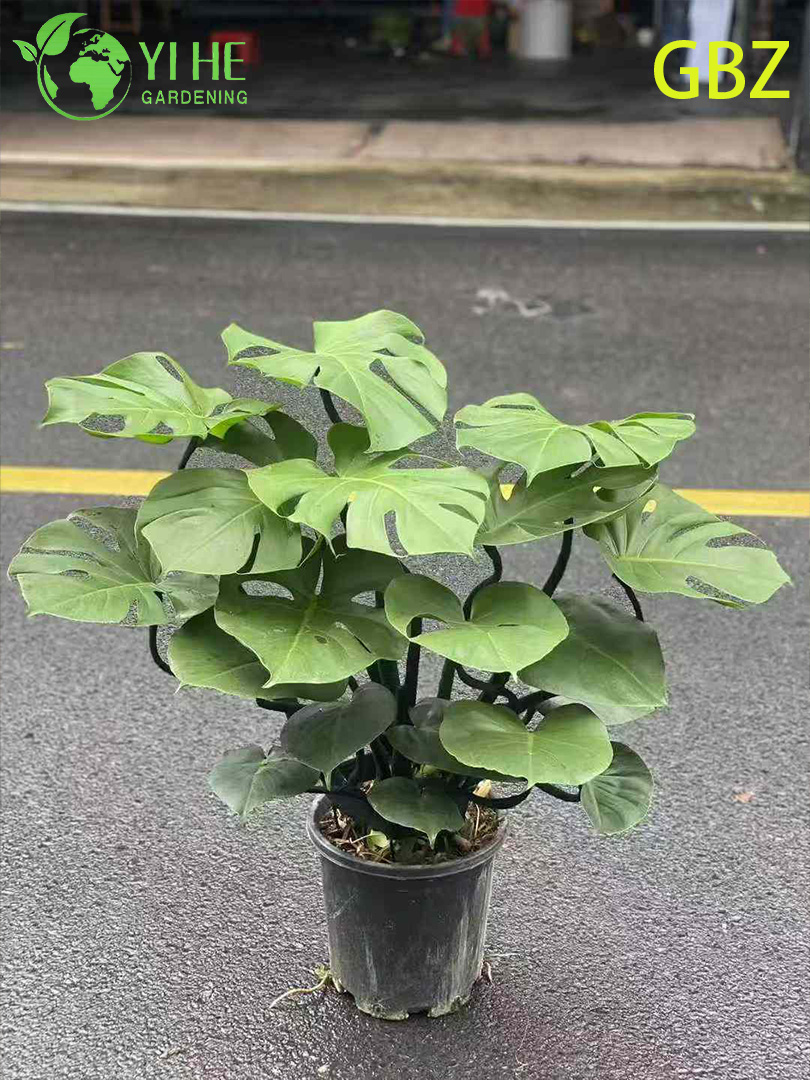
Mature monstera deliciosa plants thrive in the bright-indirect periphery of these high-light zones. In their natural habitat, they climb toward the canopy to capture intense light. Indoors, positioning them just out of the direct, scorching midday sun allows them to utilize their fenestrations (leaf holes) to maximize light capture. Grouping high-light species together ensures they all receive the fuel necessary to support their rapid growth rates and high water demands. When you group these heavy drinkers together, you can confidently saturate the zone during your maintenance rounds knowing the plants will utilize the moisture efficiently.
Medium-light zones typically measure between 100 and 400 FC. These conditions are found near East-facing windows, which benefit from soft morning sun, or set back 3 to 5 feet from intense South or West-facing windows. This zone is ideal for understory tropical jungle plants that require consistent moisture and moderate photosynthetic fuel. These plants evolved under the canopy of larger trees, making them perfectly adapted to filtered light.
Grouping medium-light plants together aligns their care requirements perfectly. Because they are shielded from harsh afternoon rays, their soil dries out at a moderate, predictable rate. Positioning these plants in a shared cluster also helps protect delicate foliage from sudden temperature spikes or intense drafts, creating a stable, moderate microclimate. This is the ideal zone for Calatheas, Marantas, and various Philodendron species that require bright light but will scorch if exposed to direct UV rays.
Low-light zones register between 25 and 100 FC. These areas encompass North-facing windows, interior offices, hallways, and heavily shaded corners. It is critical to understand the survival baseline: "low light" does not mean "no light." All plants require a bare minimum of ambient light to maintain basic metabolic functions and cellular respiration. If a space cannot sustain 25 FC for at least 10 hours a day, it is not suitable for live plants without supplemental lighting.
Species placed in these zones must be highly resilient. They will survive, though they rarely produce rapid new growth. zamioculcas zamiifolia plants (ZZ plants) serve as the benchmark for this group. Their low metabolic rate, thick waxy cuticles, and large rhizomes allow them to store water for extended periods. Grouping such low-light tolerant species together means you can safely reduce watering frequency to once every few weeks without risking dehydration. Mixing a high-water plant into this zone would be disastrous, as the soil simply will not dry out fast enough in the low-light environment.
Grouping by light naturally creates opportunities to optimize other environmental factors, turning a simple collection of pots into a functional microclimate. The physical arrangement of these groupings requires strategic tiering to maximize light exposure for every leaf while maintaining aesthetic appeal.
To execute a proper spatial map, follow these specific steps:
Audit the target area using a PAR meter at different times of the day to establish the baseline light intensity and duration.
Identify the primary light source and measure the drop-off rate at 1-foot, 3-foot, and 5-foot intervals.
Select a core group of plants that share the exact same light and watering requirements based on your measurements.
Arrange the plants using a tiered structure to prevent larger specimens from shading out smaller ones.
Monitor the soil dry-down rate for the first three weeks to establish a standardized watering schedule for the entire zone.
Effective zoning diagrams utilize a three-tier approach. Tier 1 (Front/Window Sill) is reserved exclusively for high-light lovers that can withstand direct solar radiation and heat. Tier 2 (Mid-ground/3 feet back) is dedicated to moderate-light foliage plants that benefit from the dappled shade cast by the Tier 1 plants. Tier 3 (Background/5+ feet back) is utilized for shade-tolerant accent plants that require minimal light and infrequent watering.
Beyond light capture, grouping medium-to-high light tropicals together creates a localized transpiration zone. As these plants release moisture through their leaves, they collectively raise the ambient humidity for the entire cluster. This natural humidity retention is highly beneficial for tropical species that suffer in dry, climate-controlled indoor air. However, tight grouping requires careful airflow management. While clustering increases humidity, it also restricts air movement. In lower-light, stagnant zones, poor airflow combined with damp soil creates the perfect breeding ground for fungal pathogens and pests like fungus gnats. Ensure adequate spacing between pots in low-light groupings to allow for necessary ventilation.
When natural light audits reveal that a space cannot support the desired plant groupings, supplemental lighting systems must be installed. Relying on ambient room lighting is insufficient for long-term plant health. Standard office overhead lights rarely provide the intensity or spectrum required for photosynthesis. Implementing dedicated grow lights mitigates the risks of etiolation, where plants stretch weakly toward a light source, and prevents gradual decline.
Full-spectrum LED fixtures are the standard for indoor plant applications. Compared to traditional fluorescent fixtures, LEDs offer superior energy efficiency, significantly lower heat output, and a highly customizable spectral quality. LEDs can deliver the exact blue and red wavelengths required for dense vegetative growth without wasting energy producing unusable green light or excessive ambient heat. Because they run cool, LEDs can be placed much closer to the plant canopy without causing thermal damage, making them ideal for tight indoor groupings.
Light Type | Heat Output | Energy Efficiency | Spectrum Quality |
|---|---|---|---|
Full-Spectrum LED | Very Low | Excellent | Customizable, high PAR |
Fluorescent (T5) | Moderate | Good | Broad, but degrades over time |
Incandescent | High | Poor | Heavy red, lacks blue spectrum |
Mounting supplemental lights requires adherence to strict technical guidelines. The standard rule is maintaining a 6 to 24-inch (15 to 60 cm) distance between the light source and the highest foliage. This distance must be adjusted based on the specific wattage of the fixture, the lens angle focusing the beam, and the plant's growth stage. Seedlings and delicate understory plants require greater distance to prevent thermal damage or leaf bleaching, while mature, high-light foliage can handle closer proximity. Always use a light meter to verify the PPFD at the canopy level after installing a new fixture.
Manual operation of supplemental lighting inevitably leads to inconsistent photoperiods. Automating these systems using smart timers ensures a consistent light duration of 10 to 14 hours per day. Automation removes human error, stabilizes the plants' metabolic cycles, and ensures the grouping receives the exact light volume required to trigger consistent watering schedules. Set the timers to align with natural daylight hours to avoid disrupting the plants' natural circadian rhythms.
Grouping indoor plants by their biological light needs is a foundational requirement for sustainable health and efficient maintenance. Abandoning aesthetic-first placement in favor of metric-driven zoning eliminates the guesswork that leads to overwatering, pest infestations, and plant mortality. By understanding the relationship between light intensity, metabolic rate, and water consumption, you can create stable microclimates that thrive with minimal intervention.
The decision matrix is straightforward: audit the space with a reliable light meter, define the physical zones based on FC or PPFD thresholds, select plant species that match those baseline metrics, and align your watering schedules to the established light levels.
Conduct a spatial light audit using a PAR meter or a calibrated light-meter application during peak daylight hours.
Evaluate all current plant groupings for signs of light-related stress, such as stretching stems or scorched leaves.
Relocate mismatched species to their appropriate light zones to immediately standardize your watering and maintenance routines.
Install automated full-spectrum LED lighting in any zone that fails to meet the minimum 25 FC threshold for low-light species.
A: Use a dedicated light meter or a calibrated smartphone application to measure Foot-candles (FC) or PPFD. Take the measurement at the exact location and height where the plant's foliage will sit. Do not rely on human perception, as our eyes naturally adjust to dim environments, making spaces appear much brighter than they actually are to a plant.
A: No, this creates a biological conflict. The grow light intensity required to sustain the high-light plant will likely cause phototoxicity, leaf scorch, or severe bleaching in the low-light plant. They must be separated into distinct zones with appropriate light levels for their specific metabolic needs.
A: There is a direct correlation: higher light exposure increases the rate of photosynthesis and transpiration, meaning the plant consumes water much faster and requires more frequent watering. Conversely, low light drastically reduces metabolic activity, meaning the soil stays wet longer and water needs are minimal.
A: The standard guideline is maintaining a distance of 6 to 24 inches (15 to 60 cm) between the light fixture and the top of the foliage. This distance must be adjusted based on the light's wattage, heat output, and the specific plant's maximum light threshold to prevent thermal damage.
A: Insufficient light is the primary cause of a lack of fenestrations. While they tolerate lower light, they require bright-indirect light to trigger mature leaf development. Relocating the plant to a higher-light zone will provide the energy needed to produce large, split leaves.
A: While highly tolerant of low-light conditions, no plant can survive in zero light. They require at least consistent ambient artificial light or supplemental LEDs to maintain basic cellular respiration. In pitch-black environments, they will eventually decline and die.


