
- All
- Product Name
- Product Keyword
- Product Model
- Product Summary
- Product Description
- Multi Field Search
Views: 0 Author: Site Editor Publish Time: 2026-07-25 Origin: Site


International live plant transit carries significant financial stakes for commercial nurseries. Root desiccation, physical breakage, and fungal rot remain the leading causes of inventory loss in global horticultural shipping. Exporters face an inherent conflict on the loading dock. Strict international phytosanitary regulations demand complete bare-rooting to prevent soil-borne pathogens from crossing borders. However, live plants possess a biological necessity to maintain root moisture and structural integrity during extended transit times in dark containers. Balancing these opposing requirements determines the survival rate of your shipment.
You must implement root protection methodologies that satisfy aggressive customs compliance while ensuring maximum plant viability upon arrival. This requires precise physical preparation, strategic packaging materials, and strict climate control parameters. We will break down the technical protocols necessary to protect root systems during export, minimizing transit shock and maximizing recovery rates in the receiving greenhouse.
Phytosanitary Compliance Dictates Method: Exporting bare-root requires precise fungicide application and sterile moisture-retaining mediums to pass customs without compromising the plant.
Moisture Balance is Critical: Success relies on maintaining a micro-climate around the root system that prevents desiccation while strictly avoiding anaerobic conditions that lead to root rot.
Root Structure Impacts Shipping Density: Utilising flat-root training techniques (such as the plate/stone method) during cultivation minimizes bare-root volume and transit damage.
Transit Duration Defines Packaging: The choice between air freight and sea freight necessitates entirely different root wrapping and temperature control strategies.
Post-Arrival Protocols Determine Final Yield: Immediate, controlled rehydration, high-light transitions, and quarantine procedures are just as vital as the export packaging itself.
Acceptable mortality rates for commercial shipments typically hover below three percent. Root health directly correlates to post-transit recovery speed and retail readiness. When roots suffer damage, the entire timeline from receiving to selling extends, tying up greenhouse space and delaying inventory turnover. A shipment arriving with desiccated roots requires months of rehabilitation, drastically altering operational forecasts.
Transit shock severely impacts Ficus Microcarpa. The primary physiological effect is the rapid loss of fine feeder roots. These delicate, microscopic structures dry out within hours when exposed to ambient air. Without feeder roots, the plant cannot absorb water upon replanting. Additionally, transit stress depletes stored carbohydrates within the tuberous roots. The plant consumes its internal energy reserves to survive the journey in the dark, leaving it severely weakened upon arrival.
A constant tension exists between phytosanitary compliance and plant viability. Agricultural import standards, such as those enforced by the USDA or EFSA, demand the complete removal of all field soil. Stripping the soil removes the natural protective buffer around the root zone. This bare-rooting process places immense stress on the root system, increasing vulnerability to temperature fluctuations and moisture loss inside the shipping container.
Damage to the primary root flare, or nebari, carries high aesthetic costs. Broken aerial roots also directly reduce the market value of wholesale shipments. Buyers expect visually striking, intact root structures. Physical transit damage compromises this structural integrity. When heavy roots snap during loading or shifting at sea, pathogens enter the open wounds. This forces receiving nurseries to prune away damaged sections, downgrade the plants, or hold them in recovery bays for extended periods.
Initial exposure causes immediate desiccation of microscopic root hairs.
Prolonged darkness triggers the consumption of stored root carbohydrates.
Fluctuating container temperatures induce cellular stress and ethylene production.
Physical shifting breaks brittle aerial roots, creating entry points for pathogens.
Anaerobic conditions in poor wrapping lead to rapid bacterial rot.
Standard operating procedures for root preparation dictate the success of the export before the plant ever leaves the facility. Proper washing, structural shaping, and chemical treatments form the foundation of transit survival. Cutting corners during this phase guarantees high mortality rates upon arrival.
Removing soil requires high-volume, low-pressure washing methods. High-pressure wands strip the epidermal layer of the roots, creating massive entry points for pathogens. Operators should use water pressure no higher than 40 PSI. Low-pressure water gently dislodges soil particles without damaging the sensitive outer tissues or the cambium layer. Workers must ensure complete soil removal to pass rigorous customs inspections, often using soft brushes to clear crevices in the root flare.
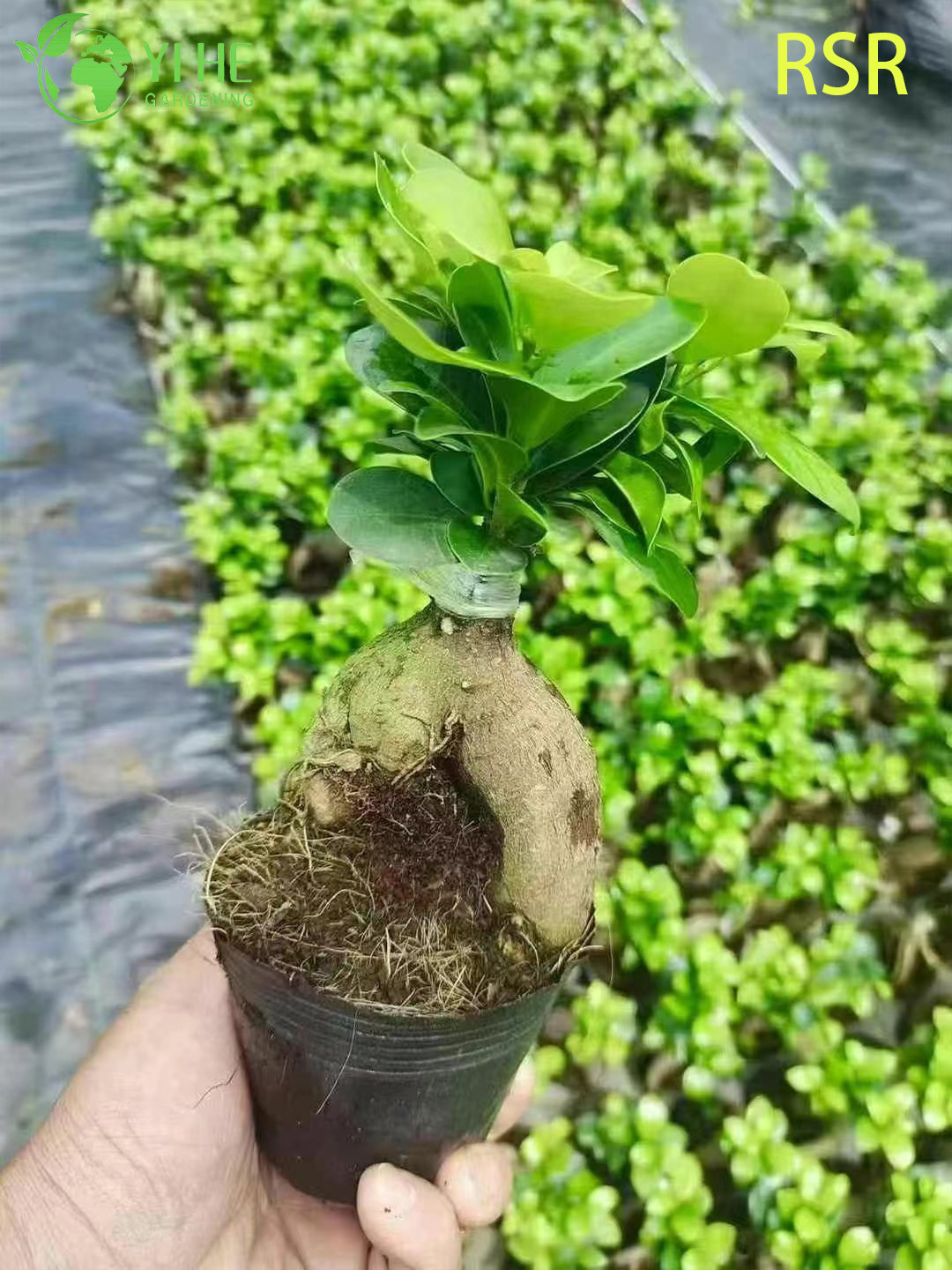
Specific considerations apply to different morphological varieties. The thick, swollen roots of ginseng ficus microcarpa store significant moisture but are highly prone to mechanical bruising. Dropping these plants on concrete floors during washing causes internal tissue damage that rots in transit. Standard trunk varieties possess more fibrous root systems that dry out much faster on the washing tables. Washing protocols must adjust to these structural differences, moving fibrous root types into moisture wraps immediately after cleaning.
Cultivation techniques directly impact shipping efficiency. The "stone or plate trick" involves placing an impermeable barrier directly under the trunk base during early field growth. This prevents deep taproot development. Instead, it encourages a flat, horizontal root system. Flat roots are significantly easier to bare-root, pack tightly into standard export cartons, and ship without snapping.
Prior to export wrapping, workers must execute precise pruning. Protocols require trimming vertical roots to reduce packaging volume and fit container dimensions. However, preserving lateral feeder roots remains critical. Operators use sterilized shears to make clean cuts, preventing jagged edges that invite rot. These lateral roots absorb water immediately upon replanting, driving the recovery process in the destination greenhouse.
Bare roots are highly susceptible to fungal infections in dark, damp shipping containers. Facilities must apply broad-spectrum, export-approved fungicides immediately after washing. Submerging the root mass in a fungicidal dip ensures complete coverage of all microscopic abrasions. These treatments prevent transit rot and ensure compliance with destination country agricultural regulations.
Anti-desiccant sprays offer additional protection for exposed upper roots. Applying these sprays to the upper root structures minimizes moisture loss during the loading phase. The application must be calibrated carefully. A coating that is too thick will clog the plant's stomata and pores, preventing necessary gas exchange. A light, even coat seals in vital hydration while allowing the plant to breathe.
Evaluating root-wrapping mediums involves comparing efficacy, moisture retention, and strict agricultural compliance. The right material maintains hydration without triggering rot in ficus microcarpa wholesale operations. Selecting the wrong medium results in either bone-dry dead plants or a box full of mushy, rotted roots.
Sterile long-fiber sphagnum moss provides superior water retention. It holds up to twenty times its weight in water while maintaining air pockets. It also possesses natural anti-fungal properties and a low pH, making it the premier choice for high-value shipments. Coco coir serves as a scalable alternative. It holds moisture well but lacks the inherent sterile qualities of sphagnum, requiring pre-treatment with fungicides. Synthetic hydrogels carry severe regulatory risks. Many import markets restrict or outright ban hydrogels due to environmental concerns, chemical residue limits, or fears of masking soil particles.
Packaging Medium | Moisture Retention Capacity | Natural Fungal Resistance | Aeration Properties | Regulatory Compliance Risk |
|---|---|---|---|---|
Long-Fiber Sphagnum Moss | Very High (20x weight) | Excellent (Low pH) | High | Low (Widely Accepted) |
Sterilized Coco Coir | Moderate to High | Low (Requires Treatment) | Moderate | Low |
Synthetic Hydrogel Slurry | Extreme | None | Very Low (Suffocates roots) | High (Banned in many regions) |
Shredded Newspaper | Low | None (Prone to mold) | Poor when wet | Moderate |
Securing fragile aerial roots requires careful manual handling on the packing line. Workers must use targeted localized moss wrapping. Applying small amounts of damp sphagnum moss directly to the individual aerial roots prevents them from drying out and snapping. Protective structural sleeves, often made of corrugated cardboard or stiff perforated paper, slide over the wrapped roots. These sleeves act as physical bumpers, preventing the roots from crushing against each other during transit shifts.
Creating a localized high-humidity micro-climate around the root zone is essential. The standard methodology involves using perforated plastic bags or specialized breathable shrink-wrap. The wrap holds the damp medium tightly against the roots, preventing it from shaking loose. However, gas exchange remains absolutely necessary. Perforations allow oxygen to enter and carbon dioxide to escape. This prevents ethylene gas buildup and stops anaerobic bacterial growth, which rapidly destroys root tissue in sealed environments.
Shipping methods directly impact root protection strategies and overall landed viability. Temperature management dictates the survival rate of the shipment. A perfectly packed plant will still die if exposed to freezing temperatures on a tarmac or baked inside a steel container.
Establishing the critical transit temperature range prevents catastrophic losses. ficus bonsai plants must remain above 60°F (15°C) to prevent chilling injury. Temperatures dropping below this threshold cause irreversible cell membrane damage, leading to immediate and total leaf drop upon unpacking. Conversely, temperatures must stay below 80°F (26°C) to prevent rapid moisture depletion, accelerated respiration, and aggressive fungal blooms. Active climate-controlled containers, known as reefers, provide reliable temperature stability. Passive thermal blankets offer a cheaper alternative for short routes but carry massive risks during extreme seasonal weather.
Air freight offers a shorter duration, typically three to seven days from farm to final greenhouse. This rapid transit allows for lighter root wrapping and lower moisture volume in the moss. The reduced water weight significantly lowers shipping costs. Plants shipped via air experience less carbohydrate depletion and recover faster.
Sea freight involves extended durations of 14 to 30 days or more. This requires heavy root packing, strict dormancy management, and aggressive risk mitigation for fungal outbreaks. Reefers must be set to exact ventilation parameters to scrub ethylene gas. The moss must be damp enough to last a month, but dry enough to prevent rot. Sea freight demands absolute perfection in the pre-export fungicidal dip.
Immediate steps taken upon arrival salvage stressed root systems. Buyers must execute strict protocols to ensure the live inventory survives the final mile. Mishandling plants during the first 48 hours after unpacking ruins perfectly good shipments.
Unpacking requires care to avoid tearing dry roots. Workers must cut the plastic wrap away rather than pulling the plant out by the trunk. Gradually rehydrate bare-root shipments using controlled soaking. Submerging roots in water treated with rooting hormones, such as IBA, or vitamin B1 stimulates cellular recovery. Isolate all new shipments immediately in a designated quarantine bay. Quarantine allows you to monitor for latent transit rot or hitchhiking pests before introducing the plants to the main nursery environment.
Manage the transition from dark cargo holds to bright growing areas carefully. Maintain ambient greenhouse temperatures above 60°F (15°C) at all times, utilizing bottom heat if necessary. Gradually increase light exposure. Moving plants directly from a dark container into full sunlight scorches the foliage and places excessive transpirational demand on the damaged root system. Start the plants under heavy shade cloth (70% reduction) and step up the light intensity over a two-week period.
Initial potting mediums must feature high aeration and low fertilizer content. Heavy, waterlogged soils suffocate recovering roots and promote Pythium rot. Use a mix heavy in pumice, perlite, or coarse pine bark. Utilize controlled bottom heat mats set to 75°F (24°C) to break transit dormancy and stimulate rapid callus formation on cut roots. High ambient humidity promotes new aerial root growth post-arrival. Implement gravel water trays, automated misting systems, or localized plastic tenting to maintain humidity levels near 90 percent around the trunk base until new growth emerges.
Audit your supplier's root-packing standard operating procedures to ensure they utilize sterile long-fiber sphagnum moss and perforated wrapping.
Verify that cultivation practices include flat-root training to minimize bare-root volume and reduce transit breakage during loading.
Initiate a small-scale trial shipment via air freight to test the supplier's phytosanitary track record and packing quality before committing to sea freight.
Prepare your receiving facility with bottom-heat benches and high-aeration potting mediums prior to the shipment's arrival to ensure immediate processing.
A: Under optimal temperature and humidity controls, they safely handle a 14 to 21-day transit window. Viability drops exponentially beyond 30 days, leading to severe root desiccation, carbohydrate depletion, and high mortality rates upon replanting.
A: Sterilized, lightly damp long-fiber sphagnum moss is the premier choice. It offers excellent water retention, natural anti-fungal properties due to its low pH, and complies with most international agricultural import standards.
A: While they are tropical evergreens, they can survive in dark transit for two to three weeks. Temperature control keeps them in a state of semi-dormancy. Expect significant leaf drop upon arrival, which is a normal stress response to darkness.
A: Use damp, not soaking wet, packing materials. Apply pre-transit broad-spectrum fungicides to the entire root mass. Ensure the root wrapping is perforated to allow gas exchange, preventing anaerobic conditions that breed rot-causing bacteria.
A: Maintain an ideal transit temperature range of 60°F to 70°F (15°C to 21°C). This specific range prevents fatal cold damage while limiting metabolic moisture loss, respiration rates, and aggressive fungal growth inside the container.
A: Leaf drop is a natural physiological response to transit shock, prolonged light deprivation, and root stress. If the roots remain healthy and firm, the plant will push new growth within three to four weeks once acclimated to warm temperatures and bright light.


