
- All
- Product Name
- Product Keyword
- Product Model
- Product Summary
- Product Description
- Multi Field Search
Views: 0 Author: Site Editor Publish Time: 2025-11-25 Origin: Site


When most people think of fig trees, they envision the familiar Ficus carica, the common fig, with its broad, lobed leaves and sweet, edible fruit. However, there’s another fig tree that deserves attention, though it’s not as well known in mainstream horticulture: Ficus umbellata. This lesser-known species of fig tree, native to tropical regions, is distinguished by its unique characteristics and its potential benefits for gardeners and horticulturists alike.
While Ficus umbellata may not enjoy the same level of recognition as its more famous relatives, it has a variety of fascinating attributes that make it a worthy addition to any plant lover’s collection. In this article, we will dive deep into the unique features of Ficus umbellata, exploring its physical characteristics, growth habits, potential uses, and how to care for it. By the end of this blog, you may find yourself intrigued by this lesser-known fig tree and its place in horticulture.
Ficus umbellata is a species of fig tree that belongs to the Moraceae family, the same family that includes the more well-known Ficus carica (common fig) and Ficus benjamina (weeping fig). Unlike the common fig, Ficus umbellata is not typically grown for its fruit but for its ornamental qualities, as well as its adaptability to various environments.
Native to tropical regions of Africa, Ficus umbellata grows in rainforests and other moist environments, where it thrives in warm, humid conditions. It is a small to medium-sized tree, often found in both wild and cultivated settings. The species is known for its striking foliage and its ability to adapt to different climates, making it a versatile plant for a variety of settings, from indoor pots to outdoor gardens.
One of the first things you’ll notice about Ficus umbellata is its unique, attractive appearance. Here’s a breakdown of its key physical characteristics:
Leaves: The leaves of Ficus umbellata are its standout feature. They are large, glossy, and oval-shaped with a smooth texture. The leaves often grow in a dense, spiral arrangement, creating a full, lush canopy. The dark green color and the striking pattern of veins on the leaves give the tree an elegant, ornamental look.
Bark: The tree’s bark is relatively smooth and light gray to brown in color, adding to its overall aesthetic appeal. In its natural environment, the tree may develop aerial roots, especially when it is growing in a tropical rainforest setting.
Flowers and Fruit: While Ficus umbellata is not primarily known for its fruit, it does produce small fig-like structures, which are actually its flowers. These figs are not edible and are more of a decorative feature. The fig flowers are enclosed in a small, round, fleshy fruit that ripens to a yellow or reddish color. The fruits are small, usually less than an inch in diameter, and grow in clusters.
Size: Ficus umbellata is a moderate-sized tree that can grow to a height of about 10 to 20 feet (3 to 6 meters). Its wide canopy provides ample shade, and its dense foliage makes it an excellent choice for adding greenery to both small and large spaces. As a slow-growing tree, it can take several years to reach its full size.
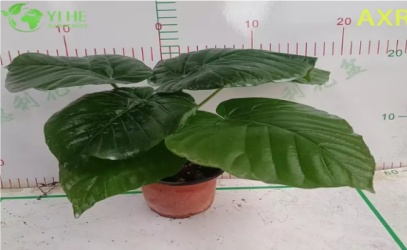
While Ficus umbellata is a relatively easy plant to care for, it does have specific requirements that must be met to ensure its healthy growth. Below are some essential tips for growing and caring for Ficus umbellata.
Ficus umbellata thrives in bright, indirect light, making it an ideal plant for both indoor and outdoor settings. While it can tolerate some direct sunlight, too much exposure can lead to leaf burn. When growing the tree indoors, place it near a window that receives plenty of natural light but away from harsh midday sun. If you are planting it outdoors, ensure that it is planted in a location that gets filtered sunlight, such as under the canopy of taller trees.
Being a tropical plant, Ficus umbellata prefers warm temperatures and high humidity. It grows best in temperatures between 65°F (18°C) and 85°F (29°C), so it’s essential to protect it from cold drafts or temperatures below 50°F (10°C). If you’re growing the tree indoors, it may benefit from regular misting or the use of a humidifier to keep the air moisture level high. Outdoors, it will flourish in tropical and subtropical climates, where the air is naturally humid.
Ficus umbellata prefers consistently moist soil but not waterlogged conditions. Water the tree regularly, allowing the top layer of soil to dry out between waterings. Overwatering can lead to root rot, so ensure that the pot or garden bed has good drainage. During the growing season (spring and summer), the tree may require more frequent watering, while in the fall and winter, it’s best to reduce watering slightly, as the plant enters a more dormant phase.
This fig tree prefers well-draining, slightly acidic soil. A general-purpose potting mix with added perlite or sand will provide the right balance of moisture retention and drainage. When planting outdoors, ensure that the soil is rich in organic matter and drains well to prevent water from pooling around the roots.
Ficus umbellata benefits from regular feeding during its growing season. Use a balanced, slow-release fertilizer to provide essential nutrients, such as nitrogen, phosphorus, and potassium. Fertilize the tree every 4 to 6 weeks in the spring and summer. In the fall and winter, reduce fertilization, as the tree’s growth slows down during these cooler months.
While Ficus umbellata doesn’t require much pruning, occasional trimming can help maintain its shape and remove any dead or damaged branches. Pruning can also encourage denser growth, especially if you’re growing the tree indoors and want to control its size. Always use clean, sharp pruning tools to avoid introducing disease to the tree.
While Ficus umbellata may not be widely recognized for its fruit, it has several uses and benefits that make it valuable in gardening and horticulture.
Ornamental Plant: The dense, glossy foliage and attractive canopy make Ficus umbellata an excellent ornamental plant for gardens, patios, and indoor spaces. Its lush green leaves and unique structure create a tropical vibe, making it perfect for adding beauty to any landscape.
Shade Tree: Due to its wide canopy, Ficus umbellata can provide valuable shade in outdoor spaces. Planting this tree in gardens or courtyards can help reduce the amount of direct sunlight reaching other plants or outdoor seating areas, creating a cooler, more comfortable environment.
Indoor Decoration: Ficus umbellata can be grown as an indoor plant, where it can thrive in a large pot or container. Its striking appearance and easy maintenance make it a popular choice for those looking to bring a bit of nature indoors.
Air Purification: Like many members of the Ficus genus, Ficus umbellata is known for its ability to purify the air. Its large leaves help remove toxins and improve indoor air quality, making it a great addition to homes and offices.
While Ficus umbellata is relatively easy to care for, it does come with a few challenges. These include:
Leaf Drop: This tree can sometimes experience leaf drop, particularly if it is exposed to sudden temperature changes, underwatering, or poor light conditions. It’s important to maintain consistent care to keep the tree healthy.
Pest Issues: Like many houseplants, Ficus umbellata can occasionally suffer from pest infestations, such as aphids or scale insects. Regularly inspecting the leaves and branches for signs of pests and treating them with appropriate insecticidal soap can help keep these issues under control.
Root Rot: As a tropical plant, Ficus umbellata is sensitive to waterlogged soil. Overwatering or poor drainage can lead to root rot, which can damage the plant and affect its growth. Be mindful of watering practices and ensure that the tree is planted in well-draining soil.
Ficus umbellata is a remarkable tree with a range of unique features that make it a great addition to any garden or indoor plant collection. Its striking foliage, ability to thrive in various environments, and air-purifying qualities make it an attractive choice for horticulturists and gardeners alike. While it may not be as well-known as other fig species, its beauty and versatility make it deserving of more attention in the world of plants.
If you're interested in learning more about Ficus umbellata or want to explore other exciting plant varieties, companies like Guangzhou Yihe Horticulture Co., Ltd. offer a wealth of information and resources for plant enthusiasts. They specialize in providing high-quality plants and horticultural solutions, and their team can guide you in selecting the right plants for your specific needs. Whether you're a seasoned gardener or just starting your horticultural journey, they can provide valuable insights into cultivating a healthy, thriving garden.
Incorporating a Ficus umbellata into your collection can bring a touch of tropical beauty and ecological benefit to your space. Take the time to explore this lesser-known fig tree and see how it can enhance your gardening experience.


