
- All
- Product Name
- Product Keyword
- Product Model
- Product Summary
- Product Description
- Multi Field Search
Views: 0 Author: Site Editor Publish Time: 2026-07-27 Origin: Site


Consumer demand for drought-tolerant, low-maintenance plants continues to drive retail nursery traffic, but poor sourcing can lead to high inventory shrink and compressed margins. Garden centers face the challenge of balancing diverse, visually appealing inventory with the logistical realities of shipping fragility, pest management, and retail shelf-life. You need a reliable system to bring these plants from the grower to the retail floor without losing quality. This guide provides a technical evaluation framework for selecting, procuring, and merchandising wholesale assortments to maximize sell-through rates and minimize retail loss. We will break down exactly what to look for when inspecting incoming shipments, how to structure your retail displays for maximum impact, and which specific plant varieties perform best in different retail environments. By standardizing your intake and display protocols, you can significantly reduce plant mortality on the shelf.
Evaluating wholesale suppliers requires strict scrutiny of phytosanitary practices, substrate quality, and cold-chain shipping capabilities to prevent receiving compromised stock.
A profitable inventory mix balances high-volume small potted succulents for impulse purchases with premium, mature cacti for high-margin landscape sales.
Pre-arranged succulent bowls, hanging baskets, and DIY arrangement kits directly capture consumer interest, significantly increasing average transaction value when cross-merchandised effectively.
Implementing strict intake and acclimation protocols at the retail level mitigates transit shock, etiolation, and root rot, preserving inventory value.
Defining baseline quality metrics prevents compromised stock from ever reaching your sales floor. You must evaluate root development, structural integrity, and the absence of etiolation. Plants stretched from lack of light during growing or transit will not recover their compact form. Substrate composition analysis is equally critical. Verify that your wholesale cacti and succulents arrive potted in high-porosity, well-draining substrates. Pumice, perlite, and coarse sand are acceptable. Heavy peat retains excess moisture, accelerating rot during transit and retail holding.
Shelf-life expectations dictate your ordering frequency. Thin-leaved varieties dehydrate faster and require closer monitoring. Thicker-leaved specimens can sit on dry retail shelves for weeks without showing stress. You must analyze the cost per unit of assorted flats versus specific genus requests. Assorted flats offer variety but often include slower-moving genera that take up valuable bench space.
Substrate Component | Drainage Capacity | Retail Shelf-Life Impact | Recommendation |
|---|---|---|---|
Heavy Peat Moss | Poor | High rot risk if overwatered by staff | Avoid for long-term holding |
Pumice | Excellent | Maintains root aeration, prevents rot | Highly Recommended |
Coarse Sand | Good | Adds weight to pots, prevents tipping | Recommended as an amendment |
Perlite | Excellent | Lightweight, but floats to the top | Acceptable in mixed ratios |
Vetting suppliers for integrated pest management practices protects your existing inventory. You must specifically target mealybugs, scale, and spider mites during your evaluation. Ask suppliers about their systemic pesticide rotation and biological control releases. Ensure compliance by verifying suppliers meet interstate agricultural shipping requirements. They must provide necessary phytosanitary certificates with every shipment. A single infested flat can spread pests across your entire greenhouse.
Inspect the root zone of random samples upon arrival. Root mealybugs hide below the soil line and often go unnoticed until the plant collapses. Healthy roots should appear firm and white or tan, never mushy or black. Establish a clear protocol with your supplier for reporting and crediting dead on arrival or infested stock within 48 hours of receipt.
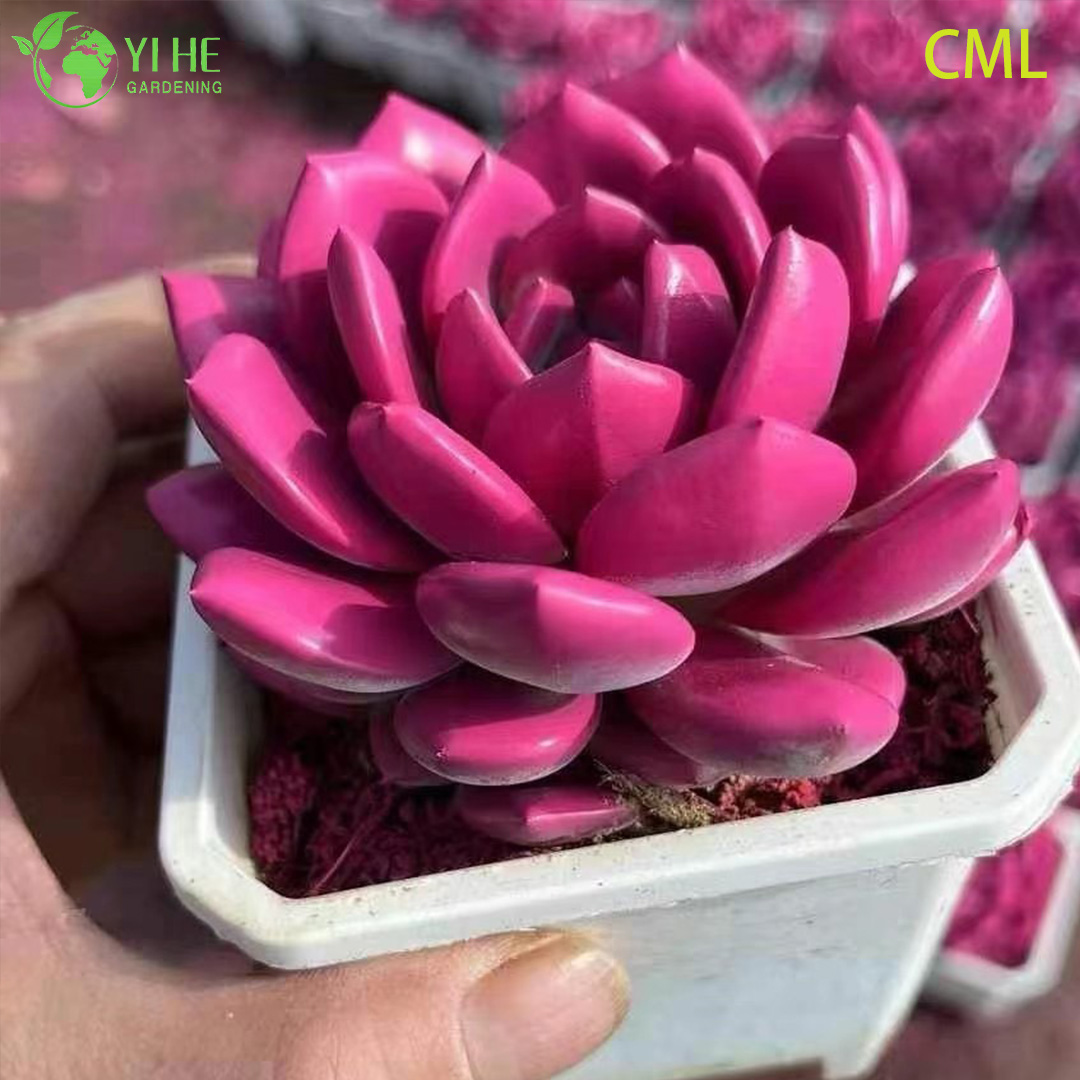
Two-inch to four-inch pots act as entry-level impulse buys and essential components for consumer DIY projects. Prioritize visually distinct textures, rosette forms, and colors. Haworthia, Crassula, Sedum, Aloe, and Aeonium perform exceptionally well in this category. These small potted succulents offer high volume and fast turnover. They require prominent placement near registers or high-traffic aisles to capitalize on impulse behavior.
The trade-off involves higher susceptibility to rapid drying on retail shelves. Small soil volumes dry out in days under intense greenhouse ventilation. Staff must monitor these flats closely, utilizing bottom-watering techniques to rehydrate the plugs without wetting the foliage, which can lead to crown rot.
Mid-tier categories rely heavily on rosette aesthetics and vibrant stress-coloring. Source diverse cultivars like Echeveria agavoides and Echeveria elegans to create visually striking retail displays. These plants draw the eye and serve as focal points in mixed arrangements. Maintaining their stress colors requires high light levels on your retail floor.
The implementation risk centers on the high fragility of leaves during transit. You need suppliers with specialized packing protocols. Poly-fil or tissue wrapping prevents scarring and leaf drop on echeveria succulent plants. Unpacking these shipments requires careful handling by trained staff to avoid rubbing off the farina, the powdery protective coating on the leaves.
Trailing varieties optimize retail ceiling space and command premium positioning. Focus on popular trailing varieties such as String of Pearls, Donkey's Tail, and String of Bananas. They offer high visual appeal and strong gift potential. Hanging baskets draw the customer's eye upward, making your greenhouse feel lush and fully stocked.
These plants require delicate handling to avoid stem breakage during customer transport. Staff should assist customers in bagging or wrapping trailing plants at the register. Watering hanging baskets on the retail floor can be messy; implement a schedule where baskets are taken down, soaked, drained, and re-hung before store hours.
Large specimens serve as anchor products for xeriscaping, landscape design, and statement indoor houseplants. Assess root establishment in larger containers ranging from one-gallon to five-gallon sizes. Look for structural symmetry and unique specimens like Cephalocereus senilis or mature Echinocactus grusonii. These plants require significant floor space but offer substantial returns per unit.
Slower inventory turnover is offset by low maintenance needs. Large cacti can sit on the floor for months with minimal watering. Ensure your staff uses heavy-duty leather gloves or carpet strips when moving these plants to prevent injury and mechanical damage to the plant spines.
Align your inventory with local climate zones. Stock frost-hardy Agaves, Sempervivums, and Opuntias for outdoor landscaping if your region experiences freezing temperatures. Customers expect outdoor plants to survive the local winter. For indoor-only demographics, focus on tender tropical succulents like Haworthia and Gasteria, which tolerate lower light levels found in typical homes.
Educate your staff on the cold hardiness of different genera. Mislabeling a tender succulent as landscape-ready leads to customer frustration and returns. Use distinct color-coded tags to separate indoor-only varieties from frost-hardy landscape plants on the retail floor.
Evaluate the return on purchasing pre-planted succulent assortments in shallow terra-cotta bowls versus allocating in-house labor to build custom arrangements. Pre-made bowls arrive ready to sell, saving labor hours during peak spring rushes. However, building them in-house allows you to utilize damaged flats or overstocked plugs effectively.
Develop curated arrangements targeted at specific consumer use cases. Holiday centerpieces, low-maintenance gifts, and miniature tabletop desert landscapes sell rapidly. Theme-based merchandising helps customers visualize the plants in their own homes, bridging the gap between raw materials and finished decor.
Establishing a DIY building station within the garden center drives engagement. Customers want the experience of creating their own arrangements. Provide a dedicated bench with all necessary components within arm's reach.
Stock a variety of shallow containers with drainage holes.
Provide bulk bins of specialized cactus soil mixes.
Offer decorative top dressings like river rocks, colored gravel, and pumice.
Supply long-handled tweezers and small scoops for precise planting.
Include a selection of individual plugs sorted by color and texture.
Host in-store educational workshops centered on creating and caring for custom arrangements. Weekend workshops drive foot traffic and guarantee a set number of units sold. Bundle the materials as a single package for workshop attendees to streamline the checkout process.
Dark transit impacts phototropic plants severely. Etiolation can occur in just a few days in a dark box. Plants stretch toward any light source, resulting in weak, pale growth. You must unpack shipments immediately upon arrival to halt this process. Cold-weather shipping protocols are equally vital. Heat packs and thermal lining are necessary during Q1 and Q4 procurement to prevent cellular freeze damage.
Track the weather between your supplier's location and your nursery. Delay shipments if severe winter storms are forecasted along the route. Even with heat packs, extended delays in freezing temperatures will result in total inventory loss.
Immediate unboxing and inspection frameworks identify transit rot, mechanical damage, or pest hitchhikers before they enter your general population. Designate a specific receiving area away from the main retail floor. Staff must inspect the foliage, stems, and soil surface of every flat.
Verify the packing slip against the physical inventory received.
Inspect for broken stems, crushed rosettes, or missing soil.
Check for signs of freezing (mushy, translucent leaves) or heat stress (shriveled, scorched leaves).
Examine the undersides of leaves and the crown for mealybugs or webbing.
Test the soil moisture; if bone dry, schedule bottom watering.
Implement quarantine procedures for new arrivals. Hold them in a separate greenhouse zone for 48 hours to monitor for pests. Use gradual light acclimation strategies. Moving plants directly from a dark shipping box to full greenhouse sun causes severe sunburn. Use shade cloth for the first few days before moving them to high-light retail displays.
Position displays in high-PAR zones to maintain vibrant plant coloration and prevent leggy growth. If natural light is insufficient, install supplemental grow lights over the display benches. Proper lighting keeps rosettes tight and colors deep, directly impacting the visual appeal and sell-through rate.
Train staff on the soak and dry method to eliminate overwatering shrink. The soil must dry out completely between waterings. Implement a low-fertilizer maintenance schedule. Excessive nitrogen causes weak, rapid growth that ruins the compact form of the plants on the sales floor. Keep them lean and dry.
Position Cacti and Succulents adjacent to essential planting materials. Customers rarely buy just the plant. They need the right tools and supplies to succeed at home. Grouping these items together increases the average basket size without requiring additional sales pitches from your staff.
Plant Category | Cross-Merchandising Items | Display Location |
|---|---|---|
Small Plugs | Terra cotta pots, top dressing gravel | Endcaps near registers |
Large Specimen Cacti | Heavy ceramic pots, leather gloves | Main greenhouse aisles |
Trailing Varieties | Macrame hangers, ceiling hooks | Hanging above eye level |
Rosette Types | Cactus soil bags, planting tweezers | Island benches with high light |
Organize the benches by color and texture rather than strictly by genus. Creating contrasting blocks of color draws the eye from across the greenhouse. Ensure all plants are clearly labeled with their light and water requirements to set the customer up for success.
Next Steps:
Audit your current receiving area to ensure adequate space for immediate unboxing and quarantine of new shipments.
Request updated availability lists and phytosanitary protocols from your top three wholesale suppliers.
Designate a high-light zone on your retail floor specifically for rosette-forming varieties to prevent stretching.
Assemble a dedicated DIY planting station with soil, top dressing, and tools to drive weekend engagement.
A: Provide adequate, bright light immediately upon unboxing. Position them in high-PAR areas or use supplemental grow lights. Stretching occurs when plants search for light, so maintaining high light intensity is the only way to keep rosette forms tight and compact on the shelf.
A: Ensure suppliers use insulated boxes and include 72-hour or 96-hour heat packs. Track the weather along the shipping route. Upon arrival, unpack boxes immediately in a warm room. Do not leave boxes on cold loading docks, as cellular freeze damage is irreversible.
A: Pre-made arrangements save labor during peak seasons and arrive ready for immediate sale. In-house builds allow you to control the design, utilize overstocked plugs, and manage inventory more flexibly. A hybrid approach often works best for busy retail centers.
A: A high-porosity mix containing at least 50% inorganic material like pumice, perlite, or coarse sand ensures rapid drainage. This prevents root rot while the plants sit on the retail floor. Avoid heavy peat mixes that retain moisture for too long.
A: They can typically remain in flats for 4 to 8 weeks. This depends heavily on the substrate, your watering schedule, and greenhouse light levels. Monitor the drainage holes; once roots begin circling heavily or the soil depletes, they must be up-potted or discounted.
A: Inspect the crown and leaf axils carefully for mealybugs, which look like white cottony masses. Check the stems for scale insects appearing as hard brown bumps. Look for fine webbing between leaves, indicating spider mites. Always check the root zone for root mealybugs.


