
- All
- Product Name
- Product Keyword
- Product Model
- Product Summary
- Product Description
- Multi Field Search
Views: 0 Author: Site Editor Publish Time: 2026-06-10 Origin: Site


Integrating edible landscapes into commercial real estate and retail nurseries is no longer a niche ecological trend. Today, they deliver measurable value to urban designs and property portfolios. Decision-makers often face a gap between aesthetic landscaping goals and the operational realities of agricultural maintenance. This disconnect frequently leads to poor plant selection. It introduces serious logistical hazards. It ultimately results in low returns on investment.
This guide provides an evidence-based framework for evaluating, selecting, and integrating tropical fruit-bearing plants. You will learn how to balance visual appeal and environmental compliance effectively. We will show you how to ensure long-term viability in commercial and retail environments.
ROI & ESG Dual-Value: Properly integrated fruit-bearing landscapes reduce stormwater runoff and offer eco-friendly branding opportunities while generating harvestable or retail value.
Tiered Selection Logic: Prioritize species based on structural function and maintenance requirements rather than just species diversity.
Risk Mitigation is Mandatory: Urban and commercial deployments must account for the "mess factor" (dropped fruit), drainage needs, and chill-hour compatibility to prevent project failure.
Compliance Scales with Commerce: Retail and commercial harvesting operations must factor in local agricultural regulations, pest management labor, and Food Safety Modernization Act (FSMA) standards where applicable.
Mature canopies act as natural filters for urban ecosystems. They manage stormwater runoff efficiently. High-precipitation tropical zones benefit heavily from this natural infrastructure. Deep root systems absorb excess rainwater rapidly. This prevents topsoil erosion across commercial lots. Functional landscapes also lower irrigation overhead significantly. Localized, drought-resistant species consume less municipal water. This creates an immediate ecological win for property developers.
Retail spaces see a vastly different benefit. Consumers crave health-conscious products constantly. You can capitalize on this specific trend. Offer detailed nutritional data alongside the plants. Highlight species boasting exponential Vitamin C or A density. Compare these metrics directly to standard supermarket variants. Customers respond positively to empirical health data.
The aesthetic-to-economic ratio matters immensely for retail nurseries. Use ornamental yet productive species as premium focal points. They transform ordinary commercial real estate into engaging, immersive showrooms. Nursery environments thrive when offering these dual-purpose plants. Shoppers appreciate the combined value. They see a beautiful ornamental plant and a future food source simultaneously. This dual-value proposition justifies premium pricing.
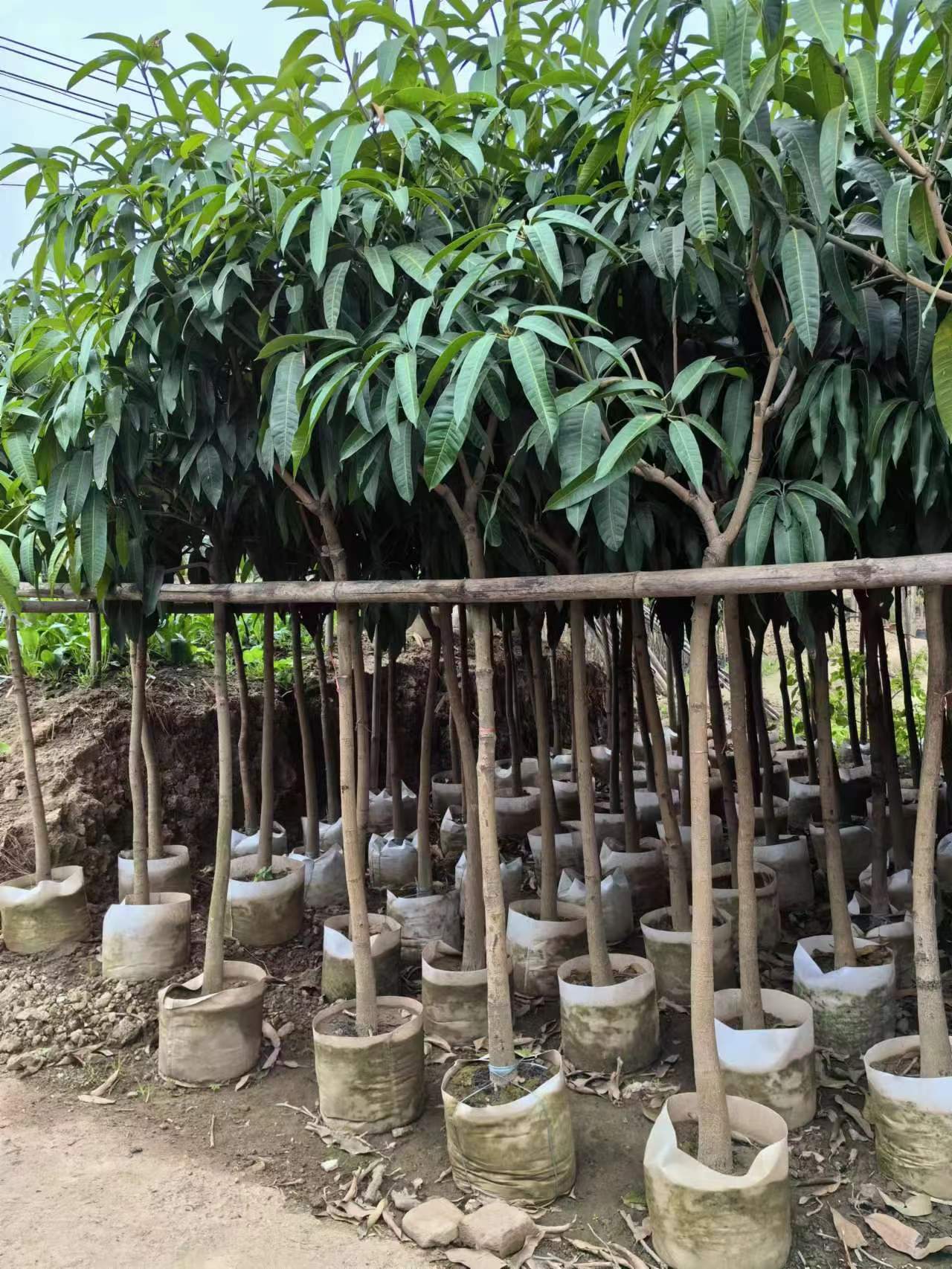
Avoid the common diversity trap in landscape design. Many property managers blindly accumulate different species. They prioritize variety over structural function. We strongly advocate for a structured, functional-tier evaluation model. This exact approach ensures spatial and resource efficiency. You must select plants serving distinct, measurable landscape roles.
Evaluate large-scale, long-term investments very carefully. Look at sturdy mango trees for broad shade provision. They serve as primary visual anchors in open landscapes. Their massive canopy footprint dictates the surrounding design. They require ample space to thrive properly. Plan their placement ten years into the future.
Integrate mid-sized staples for highly predictable returns. You should incorporate resilient citrus trees alongside prolific guava trees. They offer reliable seasonal yields consistently. They fit perfectly into semi-dwarf spatial constraints. This makes them ideal for smaller retail enclosures or courtyards. These smaller trees thrive under rigorous pruning schedules. They adapt well to large decorative planters. This flexibility allows retail centers to rearrange displays seasonally. Property managers appreciate their predictable growth habits. They rarely interfere with overhead utility lines.
Utilize vertical space to maximize square footage. Incorporate dragon fruit trees to increase total yield. These vining cacti thrive on sturdy vertical trellises. They flourish in tight urban spaces beautifully. You never have to expand your horizontal footprint. Vining cacti utilize vertical infrastructure efficiently. They cling to masonry or specialized support pillars. This transforms bare concrete into vibrant green walls. Night-blooming flowers provide stunning visual appeal. They attract beneficial nocturnal pollinators. This ecological interaction fascinates retail customers.
This tier system mimics natural forest ecology perfectly. It scales seamlessly for commercial real estate portfolios. Place anchors to define the overarching canopy. Layer mid-sized performers below for accessible harvests. Use climbers to conceal unsightly walls or fences. This three-dimensional approach optimizes every available square foot.
A successful landscape requires strict spatial layout strategies. You need a definitive framework for layering the environment. Place core anchor trees high above. Use structural berry bushes as natural borders below them. Introduce edible groundcovers to replace high-maintenance turf entirely. This multi-layered approach mimics resilient natural ecosystems. It creates visually stunning retail displays for visitors.
However, you must address the primary objection immediately. Industry professionals call this the mess factor. Dropped fruit creates severe logistical risks on hardscapes. It introduces dangerous slip hazards for pedestrians. Rotting produce attracts rodents and unwanted insects. The resulting aesthetic degradation frustrates property managers endlessly.
Mitigation tactics are straightforward but absolutely critical. Map placement strictly away from primary pedestrian walkways. Never plant heavy producers over driveways or parking spots. Create dedicated harvest zones surrounded by permeable mulch.
Rootstock sizing plays a vital role here. Specify dwarf or semi-dwarf rootstocks in high-traffic zones. Smaller trees keep harvesting highly accessible for staff. They contain the fruit drop radius effectively. This prevents organic debris from spilling onto concrete paths. Routine cleanup becomes a minor daily task. It stops being a major operational hurdle.
Implement these core layout strategies carefully:
Audit pedestrian traffic flow before finalizing designs.
Establish a minimum ten-foot setback from concrete edges.
Install dense organic mulch beds directly beneath the canopy.
Select sterile or low-yield ornamental varieties near main entrances.
Matching plants to their environment prevents catastrophic project failures. Temperature and chill hour verification remain entirely non-negotiable. Chill hours define the cumulative time temperatures drop below 45 degrees Fahrenheit. This specific cold period triggers the required blooming cycle. Selecting low-chill varieties ensures proper fruiting in warm climates. Failing to match local winter minimums guarantees barren plants.
Always account for micro-elevation differences carefully. A slight dip in a landscape traps freezing air. This drastically alters freeze vulnerability across a single property. Frost settles deeply in these pockets during winter nights. Elevated berms offer significantly better protection for sensitive tropicals.
Edaphic and flood evaluations demand equal attention from designers. Tropical species are highly sensitive to soil waterlogging. Roots sitting in saturated soil rot very quickly. You must assess drainage infrastructure capabilities thoroughly beforehand. Clay soils retain moisture excessively. This suffocates delicate feeder roots quickly. Amending the soil structure takes several years.
Implementation solutions exist for poor native soil. Require two-to-five-foot raised planting beds in heavy clay areas. Raised beds bypass lengthy amendment processes entirely. They provide an immediate, perfectly calibrated growing medium. Install subterranean drainage tiles to mitigate known flood risks. Drainage tiles pull excess water away from the root zone. They channel it safely into municipal stormwater systems. These exact interventions protect your investment during heavy monsoon seasons.
Pollination mapping is another crucial pre-planting audit. You must categorize selections based on fertility needs. Some plants are entirely self-fertile. Others require specific cross-pollination pairings to produce anything. Adjust your procurement volumes accordingly based on these biological rules. Buying a single specimen of a cross-pollinating variety yields zero harvest.
Review this evaluation chart for site viability:
Constraint Type | Assessment Metric | Mitigation Strategy |
|---|---|---|
Temperature Limits | Cumulative Chill Hours | Select verified low-chill tropical varieties. |
Soil Drainage | Percolation Rate | Install raised beds or deep drainage tiles. |
Pollination Needs | Self-Fertile vs. Pairing | Group compatible cross-pollinators closely together. |
Frost Exposure | Micro-elevation Dips | Plant sensitive species on elevated soil berms. |
Commercial setups must navigate strict regulatory and safety standards. Retail groves distributing yields face intense federal oversight. You must outline the requirements of the Food Safety Modernization Act. Local agricultural compliance dictates how you handle and distribute produce. Thorough documentation ensures you avoid costly legal penalties.
Pesticide use and worker protection require extremely careful planning. Evaluate the exact labor costs associated with integrated pest management. Humid climates encourage rapid and aggressive pest proliferation. You must factor in liability concerns constantly. Safe handling protocols are mandatory if applying chemical interventions. This applies heavily to public-facing landscapes. Many commercial properties opt for strict organic methods instead. This reduces legal liability but often increases manual labor.
Calculate your yield versus labor ratio accurately. Ongoing maintenance tasks consume operational resources rapidly. Pruning, harvesting, and cleanup demand dedicated man-hours every week. You must weigh these operational costs against the anticipated aesthetic value. Retail nurseries can justify higher labor. It directly drives foot traffic and sales. Commercial real estate might prefer lower-maintenance anchor trees. Understanding this specific ratio determines your true return on investment.
Follow these essential compliance and maintenance priorities:
Monitor updates to local agricultural distribution laws regularly.
Train all landscape staff on safe chemical handling protocols.
Implement strict pest monitoring to eliminate blanket spraying.
Document all harvest logs to maintain food safety traceability.
Successful procurement begins through strict vendor vetting procedures. Establish rigid criteria for sourcing your live inventory. Demand certified disease-free rootstocks from all commercial suppliers. Verify cold-hardiness ratings through independent local agricultural trials. Accepting subpar plant material guarantees much higher mortality rates later. Commercial suppliers must provide full traceability. Ask for rootstock origin certificates. Inspect the grafting unions for signs of weakness. Reject plants displaying early signs of fungal infections. Quarantining new arrivals prevents property-wide disease outbreaks.
Adopt a phased rollout strategy for commercial installations. Never plant the entire landscape in one single season. Recommend a pilot installation first. Start by introducing Tier 2 reliable performers. Containerized plants serve as excellent test cases initially. Hardier species provide quick, observable feedback on soil health. Monitor these test subjects for one full growing season. Observe how they handle local pests and unpredictable microclimates. Scale up to high-maintenance Tier 1 anchor trees only after pilot success.
Take immediate actionable next steps before finalizing procurement. Conduct a baseline soil drainage test across the target site. Dig a hole, fill it, and time the drainage rate. Perform a historical five-year freeze-temperature audit. Review local meteorological data thoroughly. These two precise steps prevent incredibly expensive horticultural mistakes.
Successful integration of edible landscapes requires a total mindset shift. You must treat these plants as functioning agricultural assets. They are never merely decorative foliage. Implementing a tiered selection strategy ensures optimal spatial efficiency. Phased rollouts mitigate serious financial risks during initial establishment. Strict adherence to food safety and maintenance scalability guarantees long-term viability. Prioritizing drainage, spatial planning, and realistic maintenance mapping is essential. It serves as the ultimate market differentiator. Property developers hold a unique opportunity. They can reshape urban environments fundamentally. Edible landscapes bridge the gap between beauty and utility. They transform a potentially hazardous liability into a highly engaging, high-ROI edible landscape.
A: No. Dwarf rootstocks restrict the physical size of the tree's canopy and overall yield volume, but the individual fruits remain standard size.
A: Chill hours refer to the cumulative time temperatures drop below a specific threshold (often 45°F), which triggers the blooming cycle. Selecting "low-chill" varieties is critical for warm climates to ensure fruiting.
A: Specify proper setbacks from concrete, utilize root barriers, and opt for semi-dwarf species placed exclusively in permeable, low-traffic landscape beds to mitigate root intrusion and surface litter.


