
- All
- Product Name
- Product Keyword
- Product Model
- Product Summary
- Product Description
- Multi Field Search
Views: 0 Author: Site Editor Publish Time: 2026-11-16 Origin: Site


Exporting live plants is profitable but inherently risky. Fragile tropical botany demands absolute precision. If you run a commercial nursery or manage agricultural exports, packing protocols dictate your success. A single mistake turns a profitable shipment into a total loss. These specific plants are surgically joined. A desirable fruiting scion is fused to a hardy rootstock. Consequently, the resulting graft union is incredibly vulnerable. It cannot handle physical stress, rapid temperature fluctuations, or insidious moisture loss during long-haul transit.
In this operational guide, we deconstruct the exact methodologies, structural materials, and strict phytosanitary requirements necessary to pack these tropical trees safely for global freight. Whether you are dispatching a curated dozen of rare cultivars or coordinating a massive refrigerated sea container, this framework works. It ensures your agricultural investments arrive alive, vigorous, and primed to thrive in their new environment.
Graft Union Protection: The surgical connection point on grafted saplings is highly susceptible to mechanical failure. Immobilization using rigid splints and strategic padding is mandatory. This prevents snapping during turbulent air or sea transit.
Moisture Management: Exporters must maintain a precise hydration balance. The root architecture requires damp, sterile mediums to sustain life. Meanwhile, the upper foliage must remain completely dry to inhibit aggressive fungal pathogens.
Phytosanitary Compliance: International agricultural regulations universally prohibit soil transport. Trees must be meticulously bare-rooted, chemically treated, and accompanied by verified official health certificates.
Packaging Selection: Structural integrity is paramount. Utilizing crush-proof, well-ventilated corrugated boxes or ISPM-15 certified wooden crates guarantees survival against compressive forces and toxic ethylene gas buildup.
The global logistics landscape for live agriculture is shifting rapidly. Recent market data shows a massive surge in demand for exotic tropical fruits across temperate regions. Commercial buyers are no longer satisfied with importing just the fruit. They want the genetic material. This drives nurseries to expand their cross-border shipping capabilities.
Furthermore, climate change and evolving biosecurity threats have forced agricultural authorities worldwide to enforce increasingly strict import mandates. Successful exporters are abandoning traditional freight methods. Instead, they are adopting highly sophisticated, climate-resilient packaging solutions. This evolution ensures regulatory compliance while drastically reducing transit mortality rates. Buyers now expect a zero-mortality arrival rate, pushing suppliers to engineer packaging that acts as a temporary, self-sustaining microclimate.
Exporting live agricultural goods involves managing unpredictable biological variables under intensely stressful conditions. You are essentially putting a living organism into a dark, moving box for several days. How do you keep it alive?
The defining characteristic of these specific plants is the graft union. This is the exact physiological intersection where the fruiting upper portion is surgically fused to the resilient lower rootstock. Think of it like a healing bone. During the early developmental years, the vascular cambium tissue at this junction is still fusing. It lacks the tensile strength of mature, solid wood. This makes the graft union the absolute structural weak point of the entire plant. Without specialized splinting, the kinetic forces from cargo loading or sudden aviation turbulence will snap the scion clean off the rootstock. The plant is instantly rendered worthless.
Transplant shock is an acute physiological response to severe environmental disruption. During international export, these trees endure prolonged absolute darkness, rapid temperature swings, and traumatic root disturbance. This harsh combination triggers immediate stress responses. The stomata close. Photosynthesis stops. The plant releases harmful ethylene gas. Specialized packing mitigates these compounded stressors. By maintaining consistent root hydration and providing adequate ventilation, proper packing protocols artificially slow the plant's metabolic rate. You effectively induce a safe, semi-dormant state for the duration of the journey.
The financial stakes in international agricultural trade are substantial. For buyers and sellers of wholesale fruit trees, a compromised shipment translates to severe economic devastation. What happens if a consignment arrives dead due to thermal desiccation? Or what if customs officials incinerate it due to improper bare-rooting? The exporter bears the heavy cost of the lost goods, the exorbitant freight charges, and potential hazardous disposal fees. Repeated logistical failures will permanently ruin a supplier's reputation in the competitive global market.
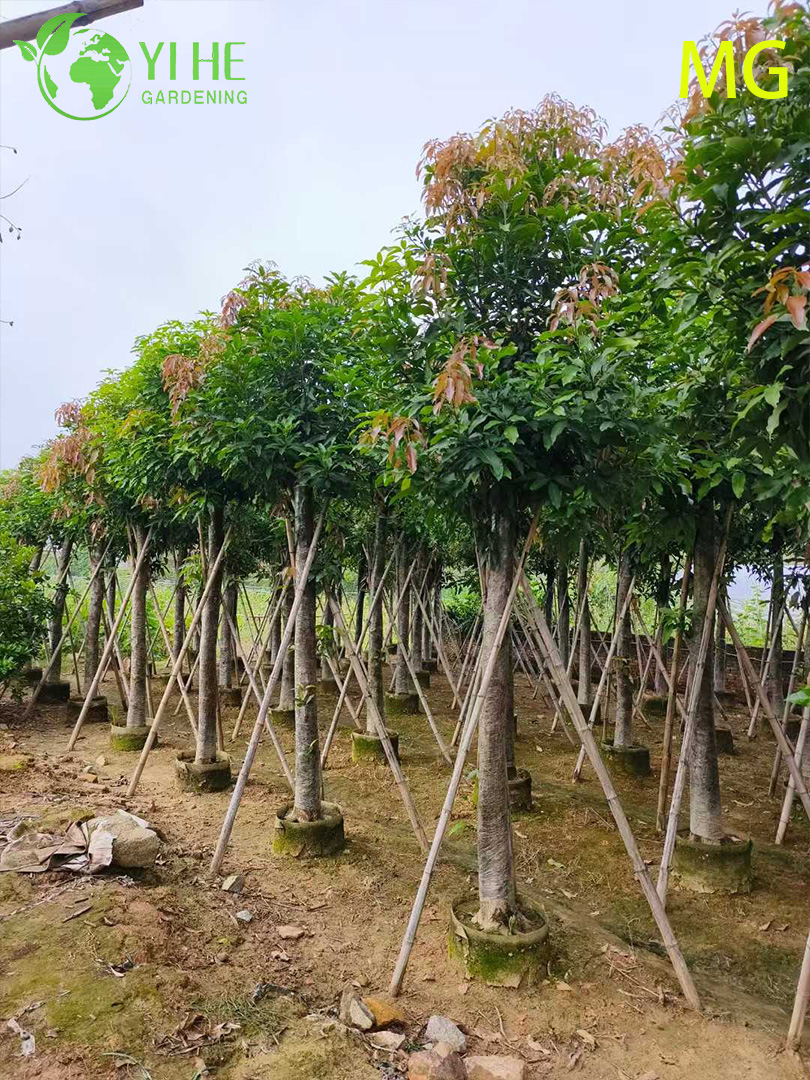
Success in international plant shipping is determined long before the trees enter a cardboard carton. A rigorous pre-packing protocol is essential. You must ensure both strict regulatory compliance and biological resilience.
Natural soil is universally recognized by customs agencies as a primary vector for destructive nematodes, soil-borne fungi, and invasive insect larvae. To meet stringent global agricultural laws, the trees must undergo a meticulous bare-rooting procedure. In practice, technicians gently unearth the plants. They utilize low-pressure water streams to wash away all organic soil and potting media from the root mass. The objective is to expose the bare roots completely without stripping away the microscopic, fragile feeder roots. These tiny roots are absolutely vital for water absorption once the tree is replanted.
A fully foliated canopy acts as a biological water pump. It continuously depletes moisture through active transpiration. To strategically conserve internal water reserves during transit, exporters must carefully prune and defoliate the trees. Removing excess leaves drastically reduces the leaf area index. Cutting back the canopy minimizes fatal moisture loss. Specifically, it also reduces the overall physical footprint of the plant. This allows for much more efficient use of expensive shipping space, lowering your volumetric freight costs.
A dehydrated plant possesses zero cellular resilience. It will not survive the immense stress of international freight. Best practices dictate deep-watering protocols 48 to 72 hours strictly prior to the bare-rooting process. This critical step ensures the cellular tissues achieve maximum turgor pressure. Fully hydrated cells are vastly more resilient to the inevitable moisture deficit that occurs inside a dark shipping container.
Executing a highly standardized packing procedure is critical. You must maintain the delicate equilibrium between vital hydration and structural security.
Once the roots are washed immaculately clean, they must be shielded immediately. The current industry standard involves wrapping the exposed bare roots in a sterile, moisture-retaining medium. Premium-grade long-fibered sphagnum moss or washed coco coir works best. The medium should be damp, retaining approximately 60 percent moisture capacity. It must never be dripping wet. Excess stagnant water rapidly promotes anaerobic bacterial rot. After applying the moss, encase the entire root zone in a thick, durable plastic bag. Secure this bag tightly around the base of the trunk using industrial zip ties. This locks the humidity exclusively around the roots, preventing stray moisture from escaping upward into the vulnerable canopy.
Protecting the surgical graft union requires robust mechanical reinforcement. Exporters handling grafted live mango trees must apply a rigid splint directly across the sensitive graft zone. Place sturdy materials like bamboo stakes or heavy-duty V-shaped corrugated cardboard splints parallel to the main trunk. They should span several inches above and below the union. Bind the splint tightly to the trunk using breathable grafting tape. This vital immobilization ensures any sudden bending forces are safely absorbed by the rigid splint rather than the fragile plant tissue.
When executing bulk shipments, individual trees are rarely packed loosely. Instead, they are systematically grouped into manageable, tight bundles. Typically, you group 5 to 10 trees per bundle, depending on the trunk caliper size. Bundling effectively eliminates internal shifting and destructive friction inside the shipping box. Align the trees so their root masses are uniform. Tie the trunks together securely at multiple anchor points using soft horticultural twine. Ensure the ties are tight enough to prevent lateral movement, but not so constricting that they crush the vital cambium layer beneath the bark.
The outer packaging is your primary line of defense against the unforgiving realities of global logistics. It shields the plants from compressive weight, violent impact shocks, and severe environmental extremes. Stop guessing what box to use. Follow these exact parameters.
Your selection depends heavily on the shipment volume, weight restrictions, and transit methodology. Here is how you choose:
Packaging Type | Application Criteria | Structural Advantages | Known Limitations |
|---|---|---|---|
Double or Triple Wall Corrugated Cardboard | Air freight, boutique shipments under 100 units, specimens 40 to 60 centimeters in height. | Highly cost-effective, lightweight, easy to manually ventilate, absorbs minor impacts well. | Vulnerable to catastrophic crushing if stacked improperly. Structural integrity weakens in high humidity. |
ISPM-15 Certified Wooden Crates | Sea freight, bulk orders exceeding 500 units, heavy caliper trees 80 to 100 centimeters in height. | Extreme structural integrity, virtually crush-proof, ideal for heavy palletized shipping. | Exceptionally heavy, expensive to manufacture, requires strict heat-treatment certification to pass customs. |
Regardless of the exterior material, the inside of the box requires thoughtful structural engineering. Picture a forklift abruptly dropping a pallet on the tarmac. If the trees lack adequate internal anchoring, the heavy, wet root masses act as wrecking balls. They slide violently against each other, crushing the delicate foliage. To prevent this kinetic disaster, install rigid internal cross-bracing. Secure the tree bundles directly to the bottom of the box using heavy-duty zip ties anchored through the cardboard floor. You can also insert bamboo stakes cut to the exact internal length of the box vertically. These bear the physical load if the box is compressed from the top down.
Live plants continue to actively respire during transit. They consume oxygen while releasing carbon dioxide, excess moisture, and ethylene gas. If a shipping box is hermetically sealed, the toxic buildup of ethylene triggers rapid, irreversible defoliation. Trapped metabolic heat and humidity create a perfect incubator for deadly fungal rot. Punch strategic ventilation holes, typically half an inch in diameter, into the sides and ends of the packaging. These specific holes facilitate essential passive airflow. Dangerous heat dissipates and fresh oxygen circulates freely.
These botanical specimens are inherently tropical. They possess zero genetic tolerance for freezing temperatures. Simultaneously, they are highly sensitive to extreme, stagnant heat when confined in dark, unventilated spaces.
To optimize transit survival rates, control the internal environment meticulously. The primary objective is to artificially induce a state of suspended animation.
Optimal Temperature: Maintain 15 degrees to 20 degrees Celsius. Exposure to temperatures below 10 degrees Celsius causes irreversible chilling injury, leading to rapid cellular collapse. Conversely, temperatures spiking above 25 degrees Celsius stimulate active, unwanted growth and rapid respiration. This quickly depletes the plant's finite energy reserves.
Optimal Humidity: The ambient humidity inside the cargo hold should hover around 75 percent to 85 percent. This prevents the exposed foliage from curling and drying out. The critical root zone itself is independently managed by the internal plastic wrapping applied earlier.
Air freight remains the overwhelming preference for shipping live Mangifera indica trees due to the sheer speed of delivery. A typical international air freight journey takes 48 to 72 hours. This drastically minimizes the time the plants spend in stressful darkness. However, air cargo holds experience sudden temperature drops at high altitudes. You must use reflective thermal insulating liners inside the boxes. In contrast, sea freight is significantly more economical for massive commercial volumes but involves grueling transit times of 14 to 30 days. Shipping live trees by sea strictly requires specialized refrigerated containers equipped with precise, computerized temperature and ventilation controls. Only fully dormant, heavily prepped trees can endure prolonged sea freight.
Logistical perfection on the packing floor is entirely useless if the shipment is seized and destroyed at the border. Clearing international customs is frequently the most rigorous hurdle in agricultural logistics.
Severe biosecurity laws govern the international trade of live plants. Exporters must provide a flawless, comprehensive documentation packet:
Phytosanitary Certificate: The most critical document. Issued by the exporting country's department of agriculture after a physical inspection, it legally proves the plants are free from regulated pests and soil.
Import Permit: Obtained in advance by the buyer from their local government. It outlines the specific, non-negotiable entry requirements for the species.
Certificate of Origin: An official document verifying exactly where the trees were propagated. This dictates tariff rates and regional quarantine protocols.
Commercial Invoice and Packing List: A detailed financial ledger listing the exact botanical names, quantities, and declared value of the shipment.
To satisfy strict import conditions, trees often require mandatory prophylactic chemical treatments before boxing. You must completely submerge the bare roots or aggressively spray the canopy with broad-spectrum, copper-based fungicides. This eliminates latent, invisible spores. Additionally, potent insecticidal dips may be legally required to eradicate microscopic hitchhikers like root-knot nematodes or scale insects hiding deep in the bark crevices. The inspecting agricultural officer must officially document, date, and stamp all applied chemical treatments directly on the Phytosanitary Certificate.
Even highly experienced commercial nurseries suffer catastrophic inventory losses if they bypass standard operating procedures. Avoiding these empirical, recurring errors is critical.
A pervasive, dangerous misconception among novice exporters is that applying more water equals better survival. In reality, excessively wet packing materials are the leading cause of transit mortality. When sphagnum moss is heavily saturated rather than merely damp, the water physically displaces all available oxygen. This creates a suffocating anaerobic environment around the roots. Within a mere 48 hours, this oxygen deprivation leads to rapid root rot, explosive bacterial proliferation, and the inevitable death of the tree. Measure, calibrate, and control moisture strictly.
Failing to secure the trees to the internal rigid structure of the box allows the heavy root masses to shift dynamically. If a box is subjected to severe aviation turbulence, unsecured trees violently collide. This uncontrolled kinetic energy inevitably results in snapped trunks, decapitated scions, and unsalvageable inventory. Internal anchoring using zip ties, cross-bracing, and bamboo stakes is never optional. It is an absolute structural necessity.
A critical logistical oversight is packing trees based solely on the pleasant weather conditions of the origin country. Exporters often ignore the harsh climate of the transit hubs and the final destination. Shipping tropical plants into a Northern Hemisphere winter without utilizing EPS foam panels or reflective thermal foil liners results in instant, fatal cold shock. Even a brief 30-minute exposure to freezing temperatures on an exposed airport runway causes the sap inside the cambium layer to physically freeze and expand. This permanently destroys the vascular tissue of the plant.
Packing tropical grafted trees for international export is a highly meticulous process. It seamlessly blends agricultural science with advanced logistics. By carefully bare-rooting the plants, fiercely protecting the delicate graft union, precisely managing root moisture, and flawlessly navigating complex phytosanitary laws, you ensure your botanical specimens arrive in pristine condition. Investing the necessary time and capital into premium, climate-resilient packaging protects your bottom line. It deeply satisfies your buyers and firmly establishes your reputation as a top-tier, reliable supplier in the global agricultural market.
Ready to scale your nursery operations and import premium tropical fruit trees with zero transit mortality? Evaluate your current shipping volumes, match them against our structural packaging guidelines, and source your next bulk order with confidence. Explore our extensive catalog of export-ready botanical specimens at Yihe Garden today to secure the highest quality live plants engineered for global transit survival.
When packed correctly with properly moistened root wraps and kept in strictly temperature-controlled environments, bare-root grafted trees can typically survive 7 to 14 days in transit. Survival rates depend heavily on inducing a semi-dormant state prior to shipping and maintaining ambient temperatures between 15 degrees and 20 degrees Celsius. Exceeding the 14-day threshold exponentially increases the risk of dangerous carbohydrate depletion, ethylene gas toxicity, and severe foliage drop.
Yes, the vast majority of countries globally require wholesale fruit trees to be shipped entirely bare-root. Natural soil harbors a multitude of invisible agricultural threats, including aggressive nematodes, invasive weed seeds, and soil-borne fungal pathogens. Consequently, international customs agencies strictly mandate that the trees have their root systems aggressively washed clean of all particulate matter, then repacked in an approved, sterile medium like long-fibered sphagnum moss.
The absolute ideal time to export these tropical trees is during their natural physiological resting or slow-growth phases. Deliberately avoid periods of active, vulnerable vegetative flushing. Mid-spring or early autumn are generally considered optimal windows. Shipping during these mild transitional seasons significantly reduces the risk of extreme thermal shock when cargo is transferred across different global climate zones, effectively bypassing the severe heat of peak summer and the freezing threats of deep winter.
The graft union is essentially a healing surgical wound and remains the primary structural weak point of the plant. Protect it by applying a rigid mechanical splint directly alongside the trunk. Use a sturdy bamboo cane, a wooden dowel, or a thick V-shaped cardboard collar. Wrap this splint gently but firmly with elastic grafting tape or stretch film. This strict immobilization prevents the joint from flexing, bending, or snapping under intense shear forces generated if the shipping carton is dropped or inverted.
The industry standard for root packing is premium-grade, long-fibered sphagnum moss or thoroughly washed coco coir. These materials are naturally sterile, lightweight, and possess exceptional water retention capabilities. The material must be wrung out until it is only slightly damp, holding about 60 percent moisture. This provides essential hydration to the feeder roots without creating an anaerobic environment that breeds deadly bacterial rot.
International shipping costs fluctuate wildly based on volumetric weight, transit method, and final destination. Air freight is significantly more expensive, often costing several dollars per kilogram, but guarantees delivery within 48 to 72 hours. Sea freight via refrigerated containers drastically lowers the per-unit cost for massive bulk orders exceeding 500 trees, but requires expensive ISPM-15 wooden crating and stringent climate-control fees. Always factor in phytosanitary inspection fees and mandatory chemical treatments into your final landed cost.


